Passer au contenu principal

Auteur/autrice : marketing.nvalue

Split Earth showing climate change impact: drought and pollution on one side, clean environment and green growth on the other

Why climate action can’t wait for politics to catch up

We’re seeing a global trend: climate policy is facing backlash, delays, and dilution. Yet the urgency of the climate crisis hasn’t changed. If anything, it’s accelerating. In this vacuum, corporates are not just stakeholders — they’re now key actors in driving the transition.

The climate policy retreat – What’s happening?

Not long ago, the EU Green Deal and the U.S. Inflation Reduction Act (IRA) signaled a turning point in global climate policy. But over the past year, the political momentum has slowed — and in some cases, reversed.

In the EU, climate policy is under pressure. Ahead of the 2024 elections, backlash from industry groups and farmers led to delays and dilution of key Green Deal elements. The Nature Restoration Law barely passed — and only in a weakened form.

Several corporate-focused directives are also being scaled back. The Corporate Sustainability Due Diligence Directive (CSDDD), originally intended to hold large companies accountable for environmental and human rights harms across their value chains, passed only after its scope was significantly reduced. It now excludes thousands of companies, and broader requirements — including alignment with the Corporate Sustainability Reporting Directive (CSRD) were weakened. The Green Claims Directive, designed to curb greenwashing, has been delayed and might be significantly watered down or even withdrawn entirely (see our article on the Green Claims Directive).

Meanwhile, across the Atlantic, the U.S. Securities and Exchange Commission (SEC) is backing away from its 2024 climate disclosure rule, signaling a broader retreat from efforts to mandate corporate transparency on emissions and climate-related risks. The shift comes as President Donald Trump signs the “One Big Beautiful Bill” Act into law, delivering a major blow to renewable energy production by phasing out key tax credits for clean energy, while boosting fossil fuel incentives.

Together, these shifts in both Europe and the United States signal a broader slowdown in climate policy momentum, leaving businesses to navigate an increasingly uncertain landscape without clear regulatory direction.

Why the climate clock doesn’t care about politics

Climate change is accelerating faster than politics can respond, and past inaction has already set us back. Despite decades of scientific consensus, policy responses have often been slow or inconsistent, allowing emissions to rise and risks to compound. Each year of delay brings more extreme heat, disrupted harvests, and less time to adapt. Waiting for full policy alignment is no longer a responsible option; the window to limit warming to 1.5°C is narrowing, and the longer governments hesitate, the steeper the curve for businesses, communities, and ecosystems to climb.

Acting ahead of the curve: corporate climate action in a policy vacuum

The absence of strong regulatory signals should not be mistaken for the absence of pressure. Investors, customers, and supply chain partners are increasingly setting their own expectations, demanding transparency, emissions reductions, and climate-aligned strategies from the companies they work with. At the same time, physical climate risks are intensifying — disrupting operations, damaging assets, and driving up insurance and input costs. In this landscape, corporate action isn’t just about reputation; it’s about risk management and long-term business continuity. Acting early not only builds resilience — it creates strategic advantage, while those waiting for regulatory clarity risk falling behind both the market and science.

To stay ahead, companies can set science-based targets, embed climate transition plans into their business strategy, and decarbonize operations and supply chains. They can also engage constructively in policy — not by lobbying for loopholes, but by supporting greater climate ambition. In today’s climate-constrained world, silence is no longer neutral; climate action is increasingly seen as part of corporate responsibility.


Your climate ally – How Nvalue supports business

At Nvalue, we support companies in turning climate ambition into practical action. From navigating evolving regulations and voluntary frameworks to developing credible transition strategies, we help businesses meet stakeholder expectations and contribute meaningfully to global decarbonization. By providing access to high-quality climate instruments and tailored advisory services, we enable companies to move beyond compliance and become active participants in shaping a low-carbon future.

Contact us


Lire la suite

Ready or not: the business case for strengthening environmental claims

“Carbon neutral.” “Eco-friendly.” “Green.” You’ve seen the labels. Maybe your company uses them. But what if tomorrow, every one of those claims had to stand up in court? That’s the future the European Union planned to build; where vague environmental promises would no longer be considered just a marketing liability, but a regulatory risk.

The proposed Green Claims Directive doesn’t just aim to clean up greenwashing; it mandates that environmental claims are grounded in credible evidence and real action, challenging companies that still treat sustainability as spin rather than substance. Even as the directive stalls politically, and formal withdrawal remains under discussion, the underlying message holds: businesses need to be prepared for a new era of accountability in how they communicate environmental impact.

A brief history of the Green Claims Directive

Since the 2024 European Parliament elections, the EU’s political centre has shifted to the right. The von der Leyen Commission, now more heavily influenced by centre‑right voices, has prioritised ‘competitiveness’ and reducing administrative burdens, over the sustainability agenda, which previously seemed to be gaining significant momentum. As a result, many green policy initiatives such as the deforestation regulation, pollution standards, and sustainability reporting, have been delayed or diluted under the broader “simplification” agenda.

One such proposal that has fallen victim to the revised political agenda is the Green Claims Directive. After two years of negotiation following the European Commission’s proposal, the file was nearing completion when, in June 2025, the Council withdrew from the final phase of discussions, citing the Commission’s announcement of intent to withdraw the proposal. The move drew sharp criticism from the European Parliament, which warned that this undermines institutional integrity and deprives Parliament of its role in finalising critical legislation aimed at improving consumer trust and levelling the playing field for businesses acting in good faith.

Despite the setback, Parliament has made it clear that the work is not over. It remains committed to resuming negotiations and delivering a legal framework that helps businesses substantiate claims fairly, transparently, and consistently across the EU. For companies, this signals that stricter scrutiny of environmental messaging is no longer a question of if, but when.

Where things stand

The Green Claims Directive is now in political limbo. After initial momentum, negotiations stalled in mid-2025 amid growing resistance, particularly from Italy and the European People’s Party, over concerns about the administrative burden on smaller businesses. Key points of dispute include:

  • The complexity of enforcement and compliance; and
  • The stringency of scientific substantiation requirements

Although the Commission announced its intent to withdraw the proposal, it has not been formally removed from the legislative agenda. The file remains paused, with its future contingent on renewed political backing, potentially during Denmark’s upcoming Council presidency. Denmark, for its part, has voiced disagreement with the current pushback, arguing that the green transition can go together with economic competitiveness, innovation, and job creation.

In the meantime, however, businesses must continue to rely on existing rules, including the Unfair Commercial Practices Directive and the Empowering Consumers for the Green Transition Directive, which will apply from 2026.

What this means for business

If revived in any form, the Green Claims Directive will have far-reaching operational, financial, and reputational implications. From a marketing perspective, the days of vague eco-slogans like “green” or “sustainable” are numbered. Claims will need to be specific, verifiable, and transparent for compliance and to retain credibility with consumers, investors, and stakeholders. For communications teams, we will witness a shift towards messaging rooted in traceability, accuracy, and accountability.

Robust internal systems will also likely be required to collect, analyse, and document environmental performance data, especially as life cycle assessments become the expected foundation for most product- or service-related claims. Many businesses will also need to budget for third-party verification, as external auditors will increasingly become a standard requirement for substantiating green claims.

Non-compliance could lead to fines, public penalties, and even product recalls, but the reputational damage could be far worse. Being publicly named for greenwashing is increasingly seen as a serious governance and ESG risk, with long-term consequences for brand trust and investor confidence.

Energy Attribute Certificates under the Green Claims Directive

Energy Attribute Certificates (EACs), including Guarantees of Origin (GOs) in Europe, I-RECs, and RECs, offer a powerful, ready-to-use tool for substantiating renewable electricity claims. Designed for traceability and transparency, EACs provide detailed information on the source, production date, and location of renewable energy generation. This built-in specificity makes them uniquely well-suited to support environmental claims that are both credible and verifiable.

By linking electricity use to certified renewable sources, EACs enable companies to:

  • Demonstrate alignment with the GHG Protocol’s market-based scope 2 method
  • Support accurate “100% renewable electricity” claims for specific sites or operations
  • Strengthen transparency across internal reporting, product communications, and sustainability disclosures

Used effectively, EACs not only contribute to regulatory alignment under frameworks like the Green Claims Directive but they also offer tangible business value. They help companies build trust with stakeholders, support decarbonisation strategies, and signal environmental leadership to customers, investors, and regulators alike.

As scrutiny of environmental messaging increases, tools like EACs play a key role in enabling companies to make bold, forward-facing claims, grounded in verifiable action.

Preparing for what’s next

Regardless of whether the Green Claims Directive is revived in its current form, the signal to businesses is that the era of vague or unverified environmental claims is ending. Across the regulatory landscape, from the Green Claims file itself to the Empowering Consumers for the Green Transition Directive and the impacts of CSRD obligations, expectations around transparency, traceability, and scientific credibility are tightening, even if slightly less so than previously expected.

Companies that act early will not only avoid regulatory risk but also secure reputational advantage. Now is the time to critically assess how environmental claims are made, where supporting data comes from, and whether internal systems are ready for scrutiny.

Those that fail to adapt have already started paying the price. Regulatory enforcement, consumer backlash, and sustained media scrutiny have shown that the reputational fallout from misleading environmental claims can far exceed the cost of non-compliance.

Tools like Energy Attribute Certificates offer a practical and credible way to substantiate renewable energy use, while frameworks like the GHG Protocol and CSRD offer structure for emissions transparency. But the real differentiator lies in how well companies integrate these tools into a wider narrative of accountability and leadership.

For businesses, the question is no longer whether the Green Claims Directive will come back, it’s whether your environmental claims would stand up to scrutiny if it did.


How we can help

At Nvalue, we support companies in navigating the complexities of renewable energy markets and environmental claims with clarity and confidence. From sourcing high-quality Energy Attribute Certificates to aligning communications with leading frameworks like the GHG Protocol and CSRD, we help businesses turn sustainability ambition into credible, actionable outcomes. Whether you’re looking to strengthen your Scope 2 reporting, future-proof your green claims, or build trust with stakeholders, our team is here to guide you every step of the way.

Get in touch to find out how we can support your strategy.

Contact us


Lire la suite

Planet or profit? Carbon footprinting helps you deliver both

Carbon footprinting is often mistaken for a side task in sustainability. A data exercise. A number on a spreadsheet. Something to tick off before the next report is due and to satisfy the next round of stakeholder questions, regulatory requirements, or board updates, then quietly filed away until next year.

But the companies leading the energy transition aren’t treating it that way. They’re using footprinting as a strategic lens that sharpens operational focus and exposes inefficiencies, and ultimately, creates a competitive edge. For them, it’s not about reporting the past. It’s about steering the future.

Not just “sustainability”: Strategic intelligence

Carbon footprinting isn’t just an environmental nice to have. It’s a diagnostic tool for how your business functions.

When done well, it reveals what’s working, what’s wasteful, and what’s at risk, showing you not only where emissions sit in your operations, in your supply chain, and in your procurement, but how they link to financial performance and business resilience.

And as regulatory frameworks catch up to the reality of climate risk, carbon footprints are fast becoming a commercial standard.

What exactly is a carbon footprint?

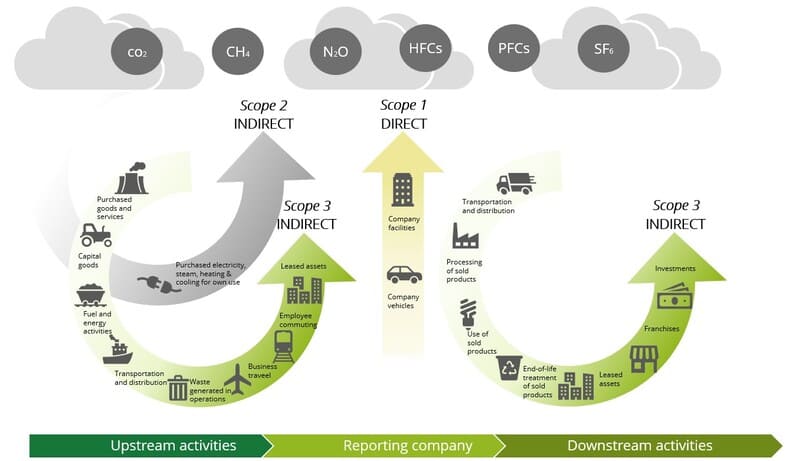
At its core, a carbon footprint is a measurement of the greenhouse gas (GHG) emissions your business causes. This includes Scope 1 emissions, stemming from direct emissions from your owned or controlled operations (think fuels, company vehicles), Scope 2, which are indirect emissions from purchased electricity, steam, heating or cooling, and Scope 3; all other indirect emissions in your value chain, from suppliers, to product use, to waste and beyond.

The GHG Protocol is the global standard for how these emissions are categorised and calculated, and it now underpins regulatory disclosure requirements across the world, including the EU’s Corporate Sustainability Reporting Directive (CSRD).

How does carbon footprinting create business value

1. It uncover cost-saving opportunities hiding in plain sight

Carbon footprinting forces businesses to zoom in on the nitty gritty: how materials are sourced, how energy is used, how products are shipped. In doing so, it uncovers hidden inefficiencies that traditional accounting often misses.

That logistics route that costs more than it should? That supplier using outdated, high-emission processes? Beyond environmental liabilities, they highlight financial ones too.

A standout example of this can be seen in the Kalundborg Eco-industrial Park. Since the late 1970s, companies in Kalundborg have formed inter-company “industrial symbiosis” agreements, sharing resources like steam, water, waste heat, by-products, and residual materials. For instance, heat from a power plant is captured and used in nearby factories, refinery waste gases feed glass producers, and wastewater is reused across facilities.

The results? Kalundborg’s symbiotic network delivers an estimated €24 million in annual savings, while cutting 635,000 tonnes of CO₂ emissions, conserving 3.6 million cubic metres of water, saving 100 GWh of energy, and diverting 87,000 tonnes of solid materials from waste.

This isn’t just a sustainability win, it’s a hard-nosed business play. By re-evaluating material and energy flows, the companies turned waste into opportunity, slashed emissions, reduced input costs, and shared infrastructure, all grounded in visibility of their carbon and resource footprint.

2. Get ahead of ESG demands from clients, suppliers, and investors

It’s not just regulators paying attention. Procurement teams now screen for environmental performance, large corporates pass down emissions requirements to suppliers, and investors want carbon transparency before they make investment decisions.

Carbon footprinting puts you in a stronger position across the board. It boosts your ESG scores (such as EcoVadis or CDP), makes you easier to do business with, and shows partners you’re serious about managing risk, not just talking about it. And for companies with commitments to RE100, mandated to report under the CSRD, or connected to sustainability-linked financing frameworks, this groundwork is non-negotiable.

3. Adapt to regulation without panic

Right now, the regulatory landscape is anything but stable. The CSRD has faced political pushback in Europe, and in the US, more than several climate policies are being rolled back or delayed. Global consensus on how to respond to the climate crisis seems to be fraying at the seams, and the transition is no longer linear or predictable.

But let’s be clear: climate change isn’t going away, and neither is the sustainability movement. The science remains unchanged. The risks are rising. And while political winds may shift, the pressure on companies to act will return.

So where would you rather be when that happens? Scrambling to catch up, exposed to reputational or financial risk, or sitting behind a well-structured, data-backed climate strategy, ready to respond with credibility and clarity?

Carbon footprinting doesn’t guarantee immunity from disruption, but it does give you the clarity, foresight, and resilience to face it and adapt with confidence.

4. Stand out to talent and capital

The next generation of talent doesn’t want to work for climate laggards and investors don’t want exposure to carbon-intensive portfolios. And both are getting more picky.

Carbon footprinting, especially when linked to credible decarbonisation targets, signals that your business understands the moment, and is responding with substance. It demonstrates that sustainability isn’t siloed, but integrated into strategy.

Top firms across the globe now publish detailed emissions breakdowns, complete with targets, trajectories and trade-offs, not as a performance, but as a signal of credibility that stakeholders increasingly expect.

5. Move from ambition to action

Most companies today have some form of climate ambition. But without carbon measurement, ambition means very little.

Carbon footprinting gives shape to your sustainability journey by letting you focus resources where they matter most, whether that’s investing in renewable energy, changing procurement policies, or redesigning products with circularity in mind.

It also builds credibility, with customers and stakeholders no longer being satisfied with vague goals. They want to see progress tied to real numbers, verified methodologies, and transparent updates.


Carbon footprinting that works

The good news is that getting started with carbon footprinting doesn’t require a team of scientists or a massive budget. What it does require is clarity: an understanding of the data you already have, such as utility bills and travel records, a view of what’s most material to your business, and a plan for how carbon footprinting will inform real action, from identifying cost-saving opportunities to aligning strategy and preparing for compliance.

At Nvalue, we are here to help you integrate your carbon measurement into your broader decarbonisation strategy. That means not just collecting numbers, but translating them into procurement shifts, renewable energy sourcing, and credible Scope 2 and Scope 3 reductions.

Don’t Just Report. Lead.

The climate transition is no longer looming. It’s here. Businesses that treat carbon footprinting as a strategic asset, not a compliance chore, will be better equipped to navigate uncertainty, meet expectations, and capture new opportunities. So don’t bury your emissions data in an annual report.

Use it. Learn from it. Act on it.

And if you need support, we’re here to help.

Contact us


Lire la suite

Why EACs are essential tools for an effective Net Zero strategy?

In our previous article, Net Zero: How to Communicate Sustainability Without Greenwashing?, we explored how companies can build credibility through transparent communication around their Net Zero commitments. Clarity, verifiability, and transparency are key pillars of trust, but they are not enough. These principles must be backed by concrete and measurable climate actions. 

This is where Energy Attribute Certificates (EACs) come into play. While often misunderstood as simple reporting tools or mistaken for offsets, EACs are in fact recognised instruments for enabling credible renewable energy procurement. When applied thoughtfully, such as within a broader, science-aligned Net Zero strategy, they support measurable progress by addressing Scope 2 emissions and strengthening climate accountability across operations and value chains. 

Setting the scene

As national and international climate deadlines draw closer, companies must do more than set intentions, they must demonstrate measurable progress, aligned with global climate goals. In the European Union, for example, climate neutrality is targeted by 2050, with a binding interim goal of cutting greenhouse gas emissions by 55% by 2030. Achieving this requires substantial transformation in how we consume and produce energy. 

One critical area is electricity consumption, which currently accounts for nearly 30% of all GHG emissions in Europe. These emissions stem from how electricity is generated, often still through carbon-intensive sources such as fossil fuels.. 

EACs offer a market-based mechanism to address this. They allow organisations to claim renewable electricity use by matching their consumption with certified renewable generation. Far beyond a communication asset, EACs are transparent, traceable, and legally recognised under international frameworks such as the GHG Protocol, CDP, and RE100. When properly used, they serve as concrete instruments for long-term carbon reduction. 

What is an EAC?

Electricity is fungible, meaning once it enters the grid, it becomes indistinguishable from electricity produced by any other source. This means you can’t trace which specific electrons come from wind, solar, gas, or coal. The grid is a shared system that blends power from all generation types, including fossil fuels, nuclear, and renewables. 

To address this challenge, EACs provide a contractual mechanism for claiming renewable electricity use. Each EAC is a digital certificate that verifies one megawatt-hour (1 MWh) of electricity was generated from a renewable source, such as wind, solar, hydro, biomass, or geothermal, and fed into the grid. By purchasing EACs, companies can credibly match their electricity consumption with renewable generation, in line with internationally recognised accounting frameworks like the GHG Protocol, CDP, and RE100. 

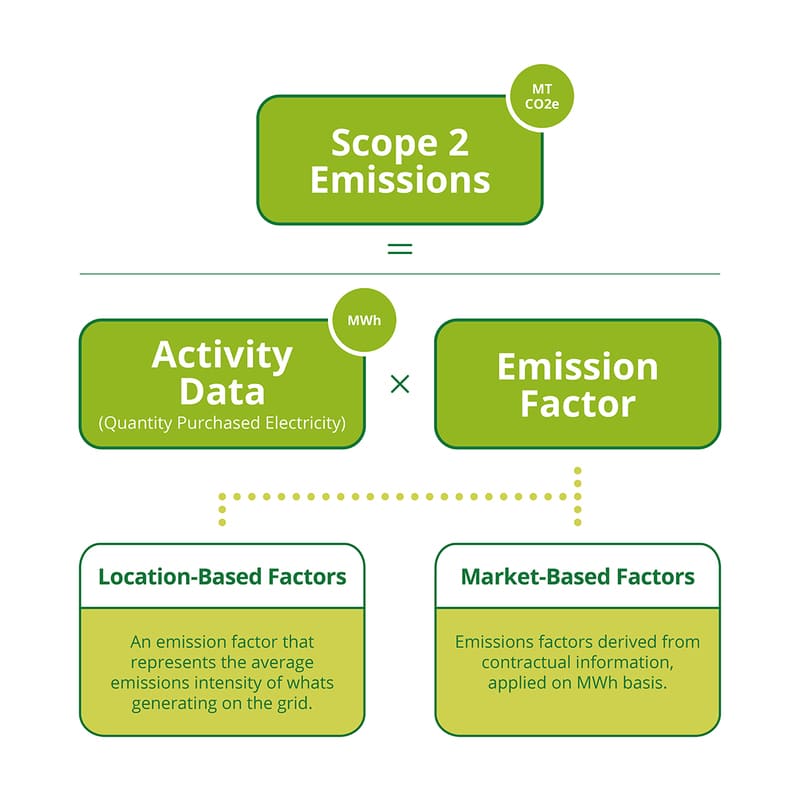
When reporting Scope 2 emissions, companies are typically required to disclose them using two methods: 

  • Location-based, which reflects the average emissions intensity of the local grid; and 
  • Market-based, which reflects emissions from electricity that companies have purposefully procured, such as through EACs. 

For electricity consumption not covered by EACs, companies must use the residual mix, a national or regional emissions factor that excludes all renewable electricity already claimed by others. As a result, the residual mix is often significantly higher in carbon intensity, reinforcing the value of EACs for credible climate reporting. 

Each EAC is: 

  • Traceable: with a unique identification number and standardised metadata; 
  • Quantifiable: as it corresponds to a fixed unit of renewable electricity (1 MWh); and 
  • Verifiable: issued through certified registries that ensure transparency and integrity. 

Because each certificate can be clearly linked to a specific origin and generation method, EACs offer companies a credible way to claim renewable electricity use, in line with international standards like the GHG Protocol and CDP. 

Each certificate includes verifiable data such as: 

  • The energy source used to produce the electricity; 
  • The location and type of the generating facility; 
  • The technology employed; and 
  • A unique identification number 

This traceability strengthens the credibility of climate commitments not only in the eyes of regulators, but also among stakeholders such as investors, customers, rating agencies, and civil society. Using EACs signals that an organisation is taking measurable and transparent steps toward its Net Zero goals, backed by verifiable evidence rather than vague declarations. 

There are several types of EACs used worldwide: 

  • RECs (Renewable Energy Certificates) in the US and Canada 
  • I-RECs, managed by the International REC Standard Foundation, available across Asia, Africa, Latin America, and the Middle East 
  • GOs (Guarantees of Origin) in Europe, implemented under the EU Renewable Energy Directive 
  • REGOs in the UK

What are the benefits for companies?

By purchasing EACs equivalent to their electricity consumption, businesses can: 

  • Reduce their market-based Scope 2 emissions by certifying that the electricity they use is backed by renewable generation 
  • Report green electricity usage without needing to physically change suppliers or infrastructure 
  • Support the renewable energy market by creating a positive pricing signal and financing new capacity 
  • Gain strategic flexibility as EACs can be tailored to align with your sustainability goals, geographical presence, budget, and sourcing preferences. 

In addition, companies can curate a portfolio of EACs that reflects their values and brand positioning. This includes choosing attributes such as: 

  • Energy source (e.g. wind, solar, hydro) 
  • Project location (e.g. in countries where operations are based or where impact is most needed) 
  • Technology type 
  • Renewable project age 
  • EAC vintage 
  • Optional ecolabel certifications 1

A strategic asset in your Net Zero action plan

EACs are a key mechanism for supporting measurable emission reductions. They are not a substitute for operational improvements but a complementary tool within a broader Net Zero roadmap that includes energy efficiency, process optimisation, and electrification. EACs offer an immediate and credible solution in both the short-term and the long-term. Integrated into a coherent strategy, they help companies: 

  • Accelerate their climate impact 
  • Actively support the global energy transition 
  • Strengthen ESG reporting with verifiable actions.

Nvalue: your partner for tailored EAC strategies

At Nvalue, we support businesses on their journey to Net Zero by helping them design, source, and manage a custom EAC portfolio aligned with their sustainability goals. 

Our expertise enables you to build a climate strategy that is credible, transparent, and fully aligned with international standards. 

Get in touch with us today to make EACs a central, measurable pillar of your energy transition.

Contact us


Note:

1. Ecolabels, such as EKOenergy, Naturemade, REDcert, etc., are voluntary, third-party certifications that verify additional sustainability criteria beyond standard EAC issuance. These may include social safeguards, biodiversity protection, or local community engagement. While not required, ecolabelled EACs offer enhanced credibility and environmental integrity for companies seeking to go beyond minimum compliance and demonstrate leadership.


Lire la suite

Nvalue’s position regarding the Scope 2 Technical Working Group Progress Update

We read with interest the update published by the GHGP on the 11th of June 2025 regarding the progress of the Scope 2 standards revision. We’d like to offer some points for consideration concerning the following paragraphs.  

“For example, consider a company that purchases enough renewable energy certificates (RECs) from a solar project in a different region, one not connected to the electricity grid where the company operates, to match all its annual electricity use. Under the current Scope 2 Guidance, this company could report that it is powered 100% by renewable energy from that solar project. But this can misrepresent how and where electricity is actually used. Electricity must be produced and consumed at the same time and within the same grid system, unless storage is involved. So, if a company uses electricity at night in one region, it cannot plausibly be using solar power generated during the day in another, unconnected region. This mismatch in time and place weakens the accuracy and credibility of reported emissions data and makes it harder to compare inventories across organizations. “ […] 

“This new impact-based metric, Marginal Emissions Impact, is designed to reflect how much a clean energy purchase displaces fossil fuel emissions on the grid. For example, imagine a company in one part of Europe purchasing solar energy from another region within the continent. Under current practices, that company may be able to count the purchase toward its scope 2 inventory even if the electricity isn’t used at the same time or isn’t deliverable to their facilities. Under the proposed revisions, that purchase would no longer count toward their scope 2 emissions total because it doesn’t match when or where the electricity is used.“

1. On the Credibility and Functioning of the REC System

We agree that for the credibility of the Renewable Energy Certificate (REC) system, the point of electricity injection and withdrawal must be interconnected and part of the same electrical grid. However, demanding that electricity be produced and consumed simultaneously is, in our opinion, an incorrect interpretation of how the electricity market functions. The electricity grid requires a constant balance between supply and demand; without it, blackouts would occur. Once electricity enters the grid, it cannot be controlled or individually traced to its origin. Therefore, unless an industry is physically located between a renewable power plant and the electric grid, it is currently impossible to ascertain which power plant an industry is consuming electricity from at any given moment. For this reason, Guarantees of Origin (GOs) currently certify virtuous consumption behaviour, even if the underlying electricity is likely consumed by another market participant. If electricity is injected and withdrawn from the same interconnected grid (as in the European Union), the current book-and-claim GO system already allows for free choice as the electronic certificates carries the information needed to express that choice: whether to account for consumption annually or more granularly by choosing full off-takes from renewable plants, or by purchasing monthly, weekly, or even daily profiles of GOs.

2. The Challenges of Mandatory Hourly Matching

Forcing hourly matching could severely compromise some companies’ ability to maintain their commitments to renewable electricity consumption. This is primarily due to two critical aspects: 

  1. Price Volatility and Scarcity: Certain hours will record extremely high prices or see zero availability of EACs due to scarcity, resulting in market dynamics that would excessively and unreasonably remunerate the holders of those EACs, who are not necessarily the producers. Speculative dynamics would be triggered, that would risk damaging the credibility of the system and the will of consumers.

  2. Infrastructural Complexity: to date there are still many who use excel to count electricity consumption and even to manage the electricity labelling. Hourly matching would bring the degree of complexity to be managed to such a level as to require an investment in expensive CTRM systems, often provided by external service providers, thus adding the risk of depending on an external entity.

To illustrate these points, consider a large group of companies within the same sector with similar daily consumption profiles, all aiming for hourly renewable electricity consumption. If the renewable capacity in that country is limited during those specific hours, these companies would face prohibitively high procurement costs, contrasting sharply with lower costs for similar companies in a country with higher hourly renewable capacity; thus harming their competitiveness and taking away from them the instruments to play even. Furthermore, some companies may have invested in PV plants to hedge their electricity procurement costs. However, if their consumption profile does not match their plant’s production profile, these companies would be unable to optimize their procurement costs with adequate income from their photovoltaic plant. 

These examples are not exhaustive and are somewhat simplified, but their purpose is to explain that certain market dynamics might not have been adequately considered. Imposing an hourly matching obligation could lead to unintended consequences, potentially disincentivizing renewable electricity consumption in favour of, for example, nuclear power. 

In our opinion, a much more pressing and easier-to-implement aspect would be the introduction of an annual matching obligation, both at the level of the GHGP and the relevant European Directive. This would ensure that the rules of the game are consistent for both electricity labelling dynamics and the voluntary procurement of EACs.


Contact us


Lire la suite

Net zero: How to communicate sustainability without greenwashing?

Achieving net zero is no longer a distant ambition, it’s a pressing expectation from stakeholders, regulators, and society at large. Companies must not only act but also communicate transparently about their environmental progress. In this article, we’ll explore how you can effectively share your sustainability journey without falling into the trap of greenwashing, and how the right tools, like EACs, can strengthen your efforts toward real, verifiable climate action. 

The challenge of communicating sustainability

Companies are increasingly encouraged to highlight their environmental progress, whether through emission reductions, investments in renewable energy, or broader societal initiatives. However, under this growing pressure, the risk of greenwashing remains very real. 

What are the reputational risks of greenwashing? (H3) 

  • Loss of trust in the brand 
    Greenwashing, which is giving a misleading impression of environmental commitment, can erode trust among customers, investors, and partners, harming a company’s credibility in the long term. 
  • Media backlash 
    Accusations often spark « name and shame » campaigns on social media and in the press, with lasting reputational impacts that crisis communications struggle to repair. 
  • Obstacle to the green transition 
    Beyond brand damage, widespread greenwashing risks slowing the global low-carbon transition by disadvantaging genuinely committed companies and slowing real solutions. 
  • Financial and regulatory sanctions 
    Finally, regulatory pressure across Europe is increasing. Under directives like the CSRD, companies face strict transparency requirements, with heavy financial and legal penalties for non-compliance or overstating sustainability progress.

Practices to avoid greenwashing

Practices to AvoidExample
Lying or omitting information

Claiming carbon neutrality without any concrete action. 

Making disproportionate promises

Marketing a product as « eco-friendly » without precise evidence. 

Lack of transparency

Failing to disclose methodologies or limitations. 

Misusing « green » terminology

Overusing terms like « sustainable, » « green, » or « responsible » without solid backing. 

Communicating sustainability: Growing expectations from stakeholders and regulators

Regulatory changes mean companies can no longer rely on broad statements of good intentions. The regulatory landscape has become significantly stricter, especially with the adoption of the Corporate Sustainability Reporting Directive (CSRD) in Europe. This directive mandates detailed sustainability reporting for large companies, publicly listed firms, and soon, listed SMEs. 

Under the CSRD, companies must report on their Environmental, Social, and Governance (ESG) practices in accordance with strict standards known as the European Sustainability Reporting Standards (ESRS). These sustainability reports must be included in a dedicated section of the management report, offering a clear view of how the company’s activities impact the environment and society—and how ESG risks and opportunities influence its strategy and financial results. 

ESG Reporting requirements 

ESG reporting demands the disclosure of accurate and verifiable data. Companies must describe their data collection methods, clarify their verification processes, and ensure the reliability of the figures presented by using independent certifications. 

Another key requirement is the principle of double materiality, which means companies must assess both their impact on society and the environment, as well as how ESG factors influence their own performance and strategic direction. 

The new framework is being implemented progressively. Large companies must comply starting in 2025, while listed SMEs will follow in 2027 or 2029, depending on their size. 

Moreover, all reports must be published in a structured digital format (XBRL/xHTML) to facilitate comparison and analysis by stakeholders. 

How to build a solid sustainability communication strategy?

Transparency and honesty

The cornerstone of credible communication is transparency. You need to publish your organisation’s actual carbon footprint, covering at least scopes 1 and scope 2, and ideally scope 3, and clearly explain the methodologies used, along with any limitations or uncertainties. 

Instead of making unrealistic claims like « zero impact, » it is far more effective to openly acknowledge the challenges and describe the actions currently underway. This honest approach will resonate much better with the public and regulators alike. 

Additionally, it is crucial to back up any environmental claims with verifiable data from independent audits, certified reports, and credible sources. 

Clear and credible targets

Your sustainability commitments must be defined in a realistic and credible way. For instance, you might commit to reducing your emissions by 20% by 2030, aligned with recognised standards such as the SBTi. 

Avoid vague or exaggerated promises. Simply labeling a product as « eco-friendly » without specifics diminishes the credibility of your entire communication. Instead, set precise, measurable, and time-bound goals to strengthen the legitimacy of your messaging. 

Responsible and continuous communication

Sustainability communication should be seen as a continuous process—not a one-off campaign. It’s important to train your internal communication teams to ensure they fully understand the legal, regulatory, and ethical requirements for environmental claims. 

You also should maintain an ongoing dialogue with key stakeholders, including customers, NGOs, investors, employees, and others. Listening to their expectations and feedback—and adjusting your communication accordingly—is vital for continuous improvement and building long-term trust. 


At Nvalue, we help businesses navigate the path to net zero with confidence. 

Our team supports you in building a robust sustainability strategy, including the sourcing and management of tailored EAC portfolios. Whether you are just beginning your journey or looking to accelerate your climate commitments, we’re here to provide the expertise and solutions you need. 

Get in touch with us today to start building a verifiable, credible net zero strategy. 

Contact us


Lire la suite

Sustainability Compliance

What regulatory changes mean for your business

Few things seem to age faster than sustainability frameworks. What once felt ambitious: ten-year targets, five-year reporting cycles, broad carbon accounting principles, now risks falling behind the pace of climate science, public scrutiny, and market expectations. Yet some frameworks, like the GHG Protocol, have stood the test of time, forming the foundation of corporate sustainability reporting for over a decade.

As the energy transition and carbon markets evolve, so too must the rules that govern them. In such a critical and still relatively young field, regular updates are not just expected, they are essential. Today’s changing rulebooks aim to match the complexity and urgency of the world they seek to guide. For companies with established strategies, navigating these shifts thoughtfully will be crucial to maintaining both compliance and credibility.

But with progress comes complexity. New acronyms, shifting thresholds, and conflicting interpretations have flooded the sustainability landscape, and it can feel like the ground is moving just as companies have found their footing.

In this article, we aim to break down some of the recent key changes across major sustainability frameworks, and what they mean for your business. Whether you’re navigating new disclosure rules, refining your EAC procurement strategy, or preparing for future audits, we’ll help you connect the dots.

1. CSRD

The Corporate Sustainability Reporting Directive (CSRD) intended to expand the scope of companies required to report non-financial data, starting from January 2025 with large companies, with a rolling implementation that would gradually include listed SMEs and non-EU companies with significant operations in the EU in subsequent years.

But following criticism over reporting complexity, the EU Commission introduced an Omnibus package with simplification proposals:

  • A scope reduction in which the threshold for mandatory sustainability reporting is raised to companies with over 1,000 employees, aligning more closely with the CSDDD. This change is expected to reduce the number of companies in scope by approximately 80%.
  • The recently approved « Stop-the-Clock » proposal which postpones by two years the application of certain CSRD disclosure requirements for large companies and listed SMEs
  • Simplified reporting standards, whereby the European Sustainability Reporting Standards (ESRS) will undergo revisions to reduce mandatory data points, eliminate sector-specific standards, and focus on quantitative over narrative disclosures.
  • Voluntary reporting for SMEs, meaning companies no longer in scope will have access to a proportionate voluntary reporting standard, developed by EFRAG, to maintain transparency, but without the full compliance burden.

While the Omnibus proposal offers temporary relief, the ambition behind CSRD remains intact. Companies that treat these delays as a chance to slow down risk falling behind in a market where transparency and accountability are fast becoming key differentiators. The momentum CSRD has created, both regulatory and market-driven, will not be easily reversed. Regulatory delays may ease short-term pressure, but they should not dictate the pace of your sustainability journey. The companies that continue to strengthen their strategies now will be best positioned to lead in a business environment that increasingly rewards impact over minimum compliance.

2. CSDDD

The Corporate Sustainability Due Diligence Directive (CSDDD) is another major development reshaping the regulatory landscape. Designed to strengthen corporate accountability for human rights and environmental impacts across value chains, CSDDD faced intense negotiation before reaching a final decision in 2024.

However, it too, has been impacted by the Omnibus proposal.

Key proposed changes to the CSDDD include:

  • The delayed application with the transposition deadline for Member States is extended by one year to July 2027, and the first phase of application for large companies delayed to July 2028.
  • Focused supply chain due diligence, with obligations being limited to direct (Tier 1) suppliers, reducing the complexity of supply chain assessments. Companies are required to assess indirect suppliers only when there is a substantiated concern.
  • Reduced assessment frequency of due diligence assessments which are to be conducted every five years instead of annually, easing the operational burden on companies.
  • The removal of EU-wide civil liability, leaving enforcement to national laws, thereby respecting the diversity of legal systems across Member States.

While the proposed changes may ease short-term compliance pressures, they do not diminish the overall direction towards stricter corporate accountability. Companies that view these delays as an opportunity to postpone action risk falling behind as regulatory expectations, stakeholder scrutiny, and reputational risks continue to mount. CSDDD marks the beginning of a new era in corporate responsibility, and those that fail to embed strong due diligence practices early may find themselves exposed in a rapidly evolving and increasingly unforgiving market environment.

3. EU Taxonomy

The EU Taxonomy continues to be a cornerstone for defining what is considered « sustainable » economic activity, especially in financial and investment reporting. Under the Omnibus simplification proposal, reporting requirements would be streamlined: companies could omit disclosures for activities representing less than 10% of turnover, capital expenditure, or operating expenses, and smaller companies would be allowed to opt into voluntary reporting rather than mandatory disclosures. While the technical framework remains intact, these changes aim to ease administrative burdens without diluting the Taxonomy’s central role in shaping market expectations around sustainability.

4. CBAM

The Carbon Border Adjustment Mechanism (CBAM) entered a crucial new phase in 2025. But just like the rest of the key sustainability directives introduced by the EU, it has fallen victim to the Omnibus proposal.

Key changes include:

  • A mass-based threshold of 50 tonnes per importer, per product type, replacing the previous €150 shipment-based threshold. This exempts approximately 90% of importers but it is said to still cover 99% of emissions.
  • Extended reporting and certificate surrender deadlines, moving from 31 May to 31 August.
  • A reduced advance purchase requirement for CBAM certificates, from 80% to 50% of embedded emissions.
  • Enhanced anti-abuse and anti-circumvention provisions.

The proposal also includes the « Stop the Clock » measure, in this case, acting as a temporary exemption for certain indirect emissions from CBAM’s scope, until sector-specific methodologies are refined.

5. SBTi

The Science Based Targets initiative (SBTi) is consulting on a major update to its Corporate Net-Zero Standard (Version 2.0), following widespread feedback about the practical challenges of implementation.

Key proposals include:

  • A shift from ambition to accountability and progress, introducing a full validation model to assess not just targets, but delivery.
  • New tailored requirements based on company size and geography, giving more flexibility to smaller players.
  • Revised scope 3 guidance, moving away from fixed-percentage coverage toward prioritisation of material emissions sources and suppliers.
  • Clearer pathways for indirect mitigation measures, such as book-and-claim certificates, with quality standards under development.
  • Stronger recognition for beyond value chain mitigation (e.g. carbon finance) to accelerate impact.

While the final standard is still under consultation, the direction is clear: moving towards impact, traceability, and system transformation. Companies will need to demonstrate not just that they set targets, but that they are delivering on them, adjusting as necessary, and contributing meaningfully to sectoral decarbonisation.

6. GHG Protocol

And last, but most definitely not least, few frameworks have been as influential or as widely referenced as the Greenhouse Gas (GHG) Protocol. Now, for the first time in over a decade, it is undergoing a formal review. Updates under consultation address key areas such as scope 2 reporting, including the treatment of market instruments like EACs, scope 3 categorisation, and the principles underpinning credible emission reduction claims.

Draft recommendations hint at stricter standards for market-based claims and clearer rules on matching energy consumption with renewable attributes, including discussions around temporal granularity. The outcome is expected to clarify how certificates, including EACs, can be used credibly within a broader emissions reduction strategy, and with many companies relying on GHG Protocol guidance to justify climate claims, the upcoming revision will shape not only reporting but how companies structure procurement and decarbonisation strategies.

Keeping a close eye on the GHG Protocol updates is critical: they will likely influence every subsequent framework, from SBTi to national regulation like CSRD compliance to RE100 membership criteria.


Looking ahead

The evolution of sustainability frameworks reflects a wider truth: that businesses can no longer view compliance as a one-time achievement. Instead, compliance must be understood as an ongoing process, one that demands flexibility, vigilance, and a willingness to adapt as expectations shift.

While simplifications such as those proposed in the Omnibus package may ease short-term reporting burdens (while creating a level of distrust in certain institutions), it seems like it may have been a little bit too late. EU regulations have already created the momentum and market awareness needed for meaningful change, so even if « pauses » appear in the formal rules, smart businesses will use this time to get stronger, not slower. True leadership comes from raising ambition, not waiting for deadlines to force action.

Companies that treat regulatory evolution as an opportunity, not just a burden or an obligation, will be better equipped to lead in an economy where sustainability performance is increasingly inseparable from business performance.

At Nvalue, our teams are dedicated to helping you navigate this dynamic landscape. We monitor regulatory developments closely and ensure that our consultancy, procurement services, and strategic support are always fully aligned with the latest standards so you can move forward with confidence, credibility, and compliance.

Contact us


Lire la suite

Uncertainty, Boundaries, and Impact: Reflections from the REC Market Meeting 2025

This year’s REC Market Meeting was a reminder of just how dynamic and layered the EAC space has become. Passionate debate, cautious optimism, and honest questioning filled the agenda, all circling around a core question: what kind of impact are we really investing in?

Held across four key streams: Deep Dives, Overviews, Renewable Gas, and Understanding the Basics, the programme explored the full breadth of the world of renewable energy. From granular tracking to the future of biomethane certificates to corporate procurement strategies, the theme of the event, Investing in Impact, was not just the slogan for the conference, but rather, it was woven through every session. And yet, what became increasingly clear was this: while the ambition is real, the path forward is anything but straightforward.

A search for clarity

A recurring topic across streams was the need for stronger, more cohesive policy frameworks to support the growth and credibility of EAC markets. Market participants, from traders to corporate buyers, are doing what they can with the tools available. But without unified rules, particularly around market boundaries, progress is piecemeal and often stifled by uncertainty.

Should we localise certificate procurement to reinforce regional impact and price signals? Or should we open markets to greater cross-border flexibility, enabling more rapid investment and uptake of renewables across a broader base? The debates across the sessions highlighted that in this market, we lack alignment not only on policy but on the very definition of “impact.”

This tension touches all areas discussed too. And although the conversations were genuine and grounded in shared intent, the absence of consensus made one thing clear: without clarity on what we’re optimising for, even the best mechanisms fall short.

What does “impact” actually mean?

If one word defined the event, it was impact. But it became increasingly clear that it means different things to different people. For some, impact is about additionality, funding new renewable projects that wouldn’t otherwise exist. For others, it’s about visibility and scalability, knowing exactly where and how your electricity was generated or unlocking the biggest volume of clean energy, as quickly as possible. Others reminded us that impact may mean going beyond renewable energy generation and considering the broader picture, including the communities affected, the surrounding biodiversity, and other social and environmental dimensions.

The tension between localised procurement and market openness is a prime example. Local purchases can strengthen regional markets and grid decarbonisation, but they can also reduce liquidity, inflate costs, and slow down investment. Cross-border purchasing may boost speed and affordability, but critics worry it dilutes real-world impact, though this can be debated.

In the absence of policy direction, market actors are forced to choose between imperfect options. The risk is fragmentation, or worse, stagnation.

Stability in the uncertainty

Still, there were moments of stability, even optimism, that the REC Market Meeting brought.

The confirmation that the GHG Protocol and SBTi will almost certainly continue to utilise both the market-based and location-based approaches to reporting scope 2 emissions, and will therefore continue to accept EACs as valid instruments for scope 2 reporting offers a crucial signal to corporate buyers. Despite noise in the system, the role of EACs remains firm in the wider decarbonisation framework.

Equally encouraging was the realisation that we are not starting from scratch. Some of the biggest players, including multinationals with robust sustainability targets, are already pushing their supply chains to decarbonise and are doing so using market-based instruments. Take Amazon for example, who just a few weeks ago announced that it will be selling carbon credits to other businesses, including its suppliers and firms that list products on its platform. These efforts are having ripple effects, and they show no signs of slowing down.

New policies such as the European Omnibus proposal may shift the landscape, but they will not undermine the market. If anything, they’re a reminder that politics, while often frustrating, is simply one more piece of a transition we are already navigating.

We need to do more

So where do we go from here?

We’ve all heard the word impact a hundred times this week, but what do we actually mean when we say it? If we are truly to invest in impact, we must define what that means, collectively. Is it about driving new project development? Strengthening national grids? Empowering corporate buyers to act faster and with more confidence? Maybe it’s about all the above, or maybe we’re still figuring that out. But we won’t get there without clearer priorities, better policy, and shared language.

Inaction, however, is not neutral. Choosing to do nothing, to wait for policy to lead, sends a signal that this market no longer matters. And in systems shaped by perception and demand, that signal can become self-fulfilling. The reality is that policies often follow pressure. Market momentum comes first, and it’s our job to create it. We need to pave the way, even if the road ahead is messy, so that frameworks can follow and help bring order to that momentum.

There is no silver bullet, but there is a path forward:

  • Market participants must rethink procurement not as a tick-box exercise but as a chance to shape real outcomes.
  • Policymakers must step up and deliver frameworks that align ambition with reality.
  • And as a community, we must hold ourselves to higher standards of transparency, of credibility, and of impact.

A final thought and a call to action

The complexity isn’t paralysing us; if anything, it’s pushing us to evolve. The depth of conversation at RMM 2025 showed that this market is maturing and we are no longer asking whether EACs matter but rather how to make them matter more.

So, a sentiment that was echoed throughout the halls of Beurs van Berlage over the three insightful days: Let’s stop waiting for a perfect system. Let’s use the one we have while we shape the one we need. But let’s keep the momentum going, because it is there, even if there’s still plenty of room to grow.

So, whether you’re rethinking procurement strategies, navigating policy uncertainty, or seeking to deepen your impact, Nvalue is here to support you. Let’s keep the momentum going, and build a system that works better for everyone.

Contact us


Lire la suite

Biomethane plant

The biomethane boom: Turning waste into sustainable energy solution and long-term value

As the energy transition accelerates, biomethane is emerging as a key solution, combining energy efficiency, sustainability, and circularity. Backed by regulatory frameworks and market-based instruments such as biomethane certificates, it offers a tangible opportunity to meet Europe’s climate targets.

In this article, we provide a comprehensive overview of biomethane: how it’s produced, its various applications, its role in corporate decarbonization strategies through the GHG CCProtocol, and the traceability tools designed to support its deployment.

Biomethane: A sustainable energy solution

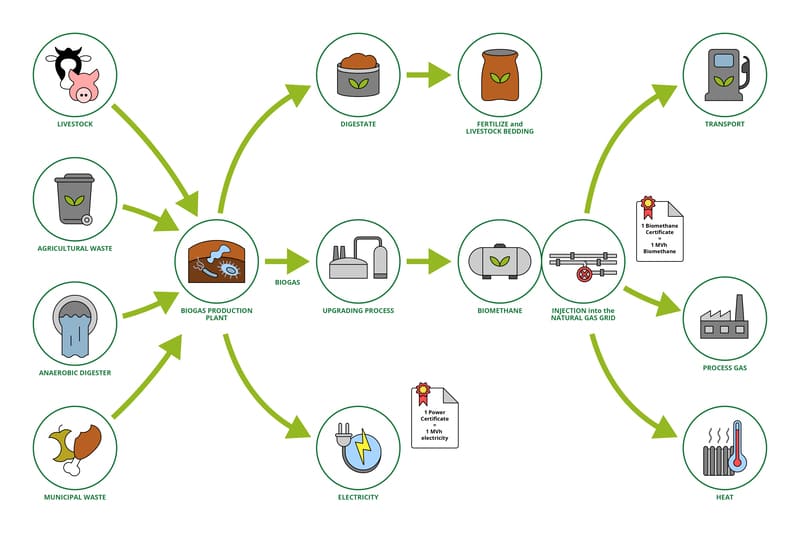
Biomethane is a renewable gas derived from the purification of biogas, itself produced by the fermentation of organic matter such as agricultural waste, sewage sludge, manure and food waste. Unlike raw biogas, which contains a mix of methane (CH₄), carbon dioxide (CO₂), and other impurities, biomethane is refined to achieve a methane content of around 96%, making it nearly identical to natural gas.

Thanks to its composition, biomethane can be injected into existing gas grids or used directly as fuel. Its applications include:

  • Grid injection for heating or industrial use
  • Electricity and heat generation (cogeneration)
  • Renewable fuel for transport (bioCNG or bio-LNG).

With a carbon footprint up to ten times lower than fossil natural gas, biomethane offers strong benefits for the circular economy by transforming waste into clean, usable energy and reducing greenhouse gas emissions.

Biomethane process

Biomethane certificates: a powerful driver for the energy transition

To support the growth of biomethane, renewable production certificates – also known as Guarantees of Origin (GO), and if certifed additional Proof of sustainability (PoS) – have been established to verify the renewable origin of the gas injected into the grid.

These certificates are market instruments that allow companies and consumers to voluntarily purchase biomethane and demonstrate their commitment to renewable energy. Each certificate represents one megawatt-hour (MWh) of injected biomethane and can be traded independently of the physical delivery of gas.

There are two main types of certificates:

  • Standard certificates, confirming the production and injection of biomethane
  • Certificates with sustainability labels, offering additional guarantees (e.g., Naturemade Star, REDCert)

⇒ Want to learn more about biomethane certificates? Click HERE

Already recognized in several European countries, these certificates play a strategic role in corporate decarbonization plans. Registered in national registries, they can be used to offset fossil energy emissions and help drive demand for green gas.

The role of the GHG Protocol in corporate decarbonization

The GHG Protocol, the international benchmark for greenhouse gas emissions reporting, is currently assessing the inclusion of biomethane certificates in its accounting methodologies – particularly in Scope 1, which covers direct emissions from operations.

Key points of the ongoing debate:

  • Industry dialogue: discussions are underway between the European Biogas Association (EBA) and the GHG Protocol to define the treatment of Guarantees of Origin and Proofs of Sustainability (PoS).
  • Sector demand: over 100 companies and associations are calling for explicit recognition of renewable gas in GHG reporting frameworks.
  • Methodological exploration: the GHG Protocol is evaluating a market-based approach for Scope 1, but uncertainties persist regarding how biomethane’s emission factors should be treated when using certificates.
  • Current status: while Guarantees of Origin can be annexed to emissions reports, they are not yet recognized as a valid mechanism for reducing Scope 1 emissions.

In summary, biomethane can be seen as a key decarbonization tool, but its formal integration into GHG accounting remains unresolved. As discussions progress, updates may emerge in the coming months or years, as consultations evolve.

The Union Database (UDB): strengthening traceability

As part of the RED III directive, the European Commission has launched the Union Database (UDB) – a digital platform designed to ensure the traceability and sustainability of renewable fuels, including biomethane.

European Commission Union Database (UDB)

The UDB has three main objectives:

  • Ensure regulatory compliance for biomethane volumes claimed as “sustainable” and injected into the EU’s interconnected gas network
  • Prevent fraud and double counting through a unified and transparent tracking system
  • Support both regulated and voluntary markets, including transport quotas and the EU Emissions Trading System (EU ETS)

All biomethane volumes intended to count toward sustainability targets must be registered in the UDB. This requirement reinforces transparency and facilitates biomethane’s integration into European compliance mechanisms.

Although the UDB aligns with the GHG Protocol’s traceability principles, explicit guidelines on how biomethane certificates can be used within that framework are still lacking – highlighting the need for further regulatory clarity.

Decarbonization Strategy Through Biomethane: What Comes Next?

When it comes to the inclusion of biomethane certificates in the GHG Protocol’s carbon accounting methodology, no official timeline has been communicated. However, given the urgency expressed by several stakeholders, developments are expected in the coming months.

While the official framework is still under review, we can already anticipate several key market trends that would likely result from the integration of biomethane certificates into corporate decarbonization strategies:

  • Increased use of Biogas Production Certificates (BPCs) and Biogas Purchase Agreements (BPAs) as innovative financing tools to support new anaerobic digestion projects
  • Growth in investment across the biomethane sector, fueled by the emergence of these new financial mechanisms
  • Expansion of cross-border biomethane trading in Europe, driven by the mutual recognition of certificates
  • Potential rise in certificate auction volumes, as demand continues to climb
  • A more competitive and dynamic biomethane certificate market, with increased liquidity and participation
  • Faster deployment of new biomethane production facilities, responding to rising demand from energy buyers and sustainability-focused companies

These upcoming shifts will be key to unlocking biomethane’s full potential as a mainstream decarbonization tool for European industry.


Biomethane holds significant potential to become a key enabler of the low-carbon economy. But for this to happen, certification schemes, traceability systems, and emissions accounting methods must be harmonized at both European and international levels.

The momentum is here – but ongoing regulatory evolution is critical to unlock the full potential of this renewable gas across industries.

Want to stay ahead of regulatory changes in your decarbonization strategy?

At Nvalue, we closely monitor biomethane regulations and market developments. Our team’s expertise helps you understand the certification system and secure biomethane certificates to meet your sustainability targets.

Contact us


Lire la suite

New Swiss Net-zero Roadmap Guidelines: What Businesses Need to Know

At the beginning of 2025, Switzerland took another significant step toward its climate goals with the introduction of the new Net-zero Roadmap Guidelines under its Climate Protection and Innovation Law (KlG). These guidelines provide a standardised approach for businesses to develop their decarbonisation strategies (or roadmaps) in alignment with the country’s target of net-zero greenhouse gas (GHG) emissions by 2050.

The Net-Zero Roadmap Guidelines introduce specific measures for reporting emissions and define the use of market-based climate instruments such as Guarantees of Origin (GOs), emissions reduction credits, and carbon removals (CDR).

We have outlined in this article what businesses need to know about these new guidelines and how they can implement market-based tools in their decarbonisation strategies.

What Should Net-Zero Plans Include?

To align with Switzerland’s climate goals, companies are required to develop an individual roadmap outlining their path to net-zero emissions by 2050. This roadmap begins with a comprehensive greenhouse gas inventory, which establishes a baseline for emissions reduction, covering direct (scope 1) and indirect (scope 2) emissions, while also recommending the inclusion of both upstream and downstream value chain emissions (scope 3).

Under Switzerland’s Climate Protection and Innovation Law, all companies are required to reach net-zero emissions for scope 1 and scope 2 by 2050, making it mandatory for businesses to address both direct and indirect emissions in their decarbonisation strategies. While scope 3 emissions are not obligatory, companies are encouraged to incorporate them into their broader climate action plans.

Additionally, a roadmap must define a compensation strategy for residual, unavoidable emissions by 2050, incorporating negative emissions solutions, with the potential to achieve a net-negative balance. To ensure effective implementation, companies must develop a realistic action plan, outlining key milestones and measures to meet both reduction and compensation objectives.

Scope 1 & Scope 2 Emissions: Biomethane and Guarantees of Origin

According to the Guidelines, companies must adhere to the GHG Protocol Corporate Accounting and Reporting Standard for emissions accounting.

Biomethane produced in, or physically imported into Switzerland, can be counted in scope 1 emission reductions, however, renewable gas produced abroad has limited eligibility. To ensure compliance, companies must assign and cancel the corresponding biomethane GOs within the Swiss renewable gas and fuels GO registry.

Companies must also adopt a dual reporting system for scope 2 emissions, using both location-based and market-based approaches. For the location-based approach, emissions from electricity consumption are calculated based on the Swiss consumer mix. For the market-based approach, emissions are determined according to the specific electricity supply contract. In line with GHG Protocol’s requirements, contractual instruments used for market-based scope 2 accounting must originate from the same market in which the company’s electricity-consuming facilities are. This means only Swiss GOs and Power Purchase Agreements (PPAs) are valid for market-based accounting. For further information on market-based and location-based emission reporting methods, please refer to our recent blog post.

Net-zero

Emissions Reduction Credits: Encouragement but No Direct Offsetting

One of the major takeaways from the guidelines is that voluntary emissions reduction carbon credits cannot be used to offset a company’s emission reduction roadmap. Companies, however, are still encouraged to purchase these credits to support climate projects beyond their internal reduction efforts.

This distinction means that while Swiss companies cannot use carbon credits as a direct compliance tool, there may still be growth in demand for high-quality, Paris Agreement-aligned, carbon credits, as firms seek to contribute to broader climate protection initiatives.

Carbon Removals: A Critical Component of Net-Zero Strategies

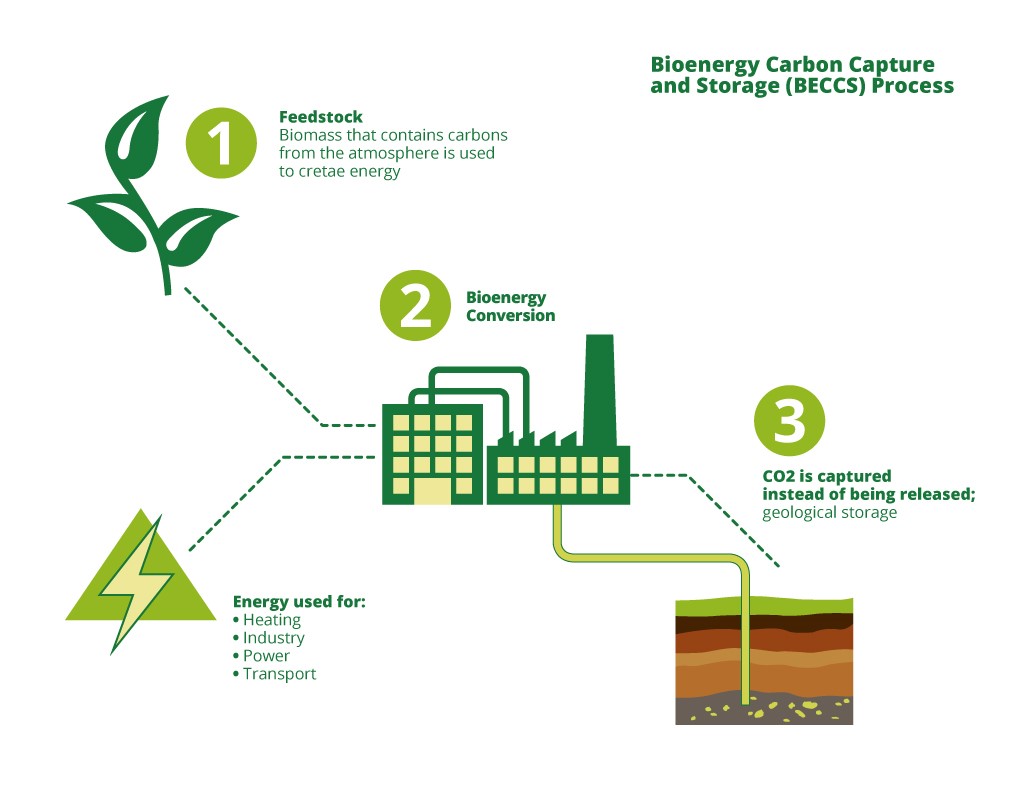
A final key aspect of a company’s climate roadmap is the mandatory integration of carbon removals (also known as Carbon Dioxide Removal or CDR) into corporate net-zero strategies. Companies must plan to offset unavoidable emissions (also referred to as hard-to-abate emissions) using carbon removals by 2050 at the latest.

Emissions Reduction Credits vs Carbon Removals

While both carbon removals and emissions reduction credits are important tools in climate action, there are fundamental differences businesses must understand clearly.

Emissions Reduction Credits, commonly known as carbon credits, represent verified reductions or avoidance of greenhouse gas emissions achieved through external projects, unrelated to the emitting company’s own operations. These credits indicate that emissions have been reduced or avoided elsewhere compared to a baseline scenario, allowing businesses to compensate for emissions generated by their activities. However, under Switzerland’s new guidelines, emissions reduction credits cannot be used directly to offset a company’s residual emissions as part of the mandated net-zero roadmap. Instead, companies are encouraged to voluntarily purchase these credits to contribute to global climate mitigation beyond their immediate corporate footprint.

In contrast, carbon removals involve actively removing CO₂ already emitted into the atmosphere and safely storing it long-term, effectively achieving negative emissions.

This clear distinction highlights the strategic importance of carbon removal investments, as only carbon removals are accepted as valid offsets against unavoidable emissions under the new guidelines. As such, businesses should proactively seek partnerships and investment opportunities in credible carbon removal projects to align effectively with Switzerland’s net-zero commitments.


Align Your Business with Switzerland’s New Net-zero Roadmap Guidelines

Switzerland’s new climate roadmap guidelines mark a major shift in corporate emissions management. For businesses, now is the time to align strategies with the new framework, explore compliant climate instruments, and seek expert guidance to ensure they meet Switzerland’s ambitious climate goals. From procurement of biomethane, GOs, CDRs, and voluntary carbon credits, to assisting businesses in developing and implementing effective net-zero strategies, Nvalue ensures that Swiss companies can attain their climate goals.

Contact us


Lire la suite

Are We Doomed?

An overview of the impacts of the regulatory whiplash in the form of the EU Omnibus Package

On the 26th of February 2025, the European Commission unveiled its highly anticipated Omnibus package; a supposed simplification of EU sustainability regulations, primarily involving major amendments to the Corporate Sustainability Reporting Directive and the Corporate Sustainability Due Diligence Directive, among others. The goal? Reduce compliance costs by at least 25% while keeping the Green Deal dream alive.

At the time, the excitement around its potential was well justified. Extending deadlines would give companies more time to navigate the complexities of the reporting requirements (of which there are many), while streamlining overlapping reporting requirements could create a more cohesive system. Reducing the exorbitant number of required data points would also ease the reporting burden, which was a welcomed update. However, in classic EU fashion, this « simplification » has actually made things a whole lot messier. Instead of simplification of EU sustainability regulations, let’s call it what it really is: major deregulation. Companies are now stuck in a regulatory limbo, trying to figure out whether to stop reporting, keep reporting, or just give up and move to a cabin in the woods.

So, what are the actual changes?

Here’s what’s on the table:

  • Who’s in, who’s out: The scope of CSRD has been massively reduced. Originally, any “large” company meeting two of three criteria (≥250 employees, ≥€50m turnover, ≥€25m assets) was in. Now? Only companies with >1000 employees and either >€50m turnover or >€25m assets need to comply. That means around 80% of previously in-scope companies are suddenly excluded from this mandatory reporting directive.
  • Deadlines pushed back: The phased reporting rollout was supposed to start this year, 2025, with waves following in 2026 and 2027. Now, waves 2 and 3 have been delayed by two years, meaning those companies that still fall within scope of the directive won’t have to report until 2028. But those already in Wave 1? No such luck.
  • Lighter reporting burden: The number of data points required under the European Sustainability Reporting Standards (ESRS) has also been reduced. And sector-specific ESRS? Scrapped. EU Taxonomy alignment? Only mandatory for companies with >1000 employees and turnover >€450m.
  • Weakened value chain accountability: One of CSRD’s biggest levers for impact was its requirement for companies to gather sustainability data across their value chains, putting pressure on smaller suppliers to improve or risk exclusion. The Omnibus package shifts this approach, aiming to “ensure that sustainability reporting requirements on large companies do not burden smaller companies in their value chains.” The result? Significantly less pressure on value chain partners, weakening CSRD’s potential to drive sustainability improvements beyond direct compliance.
  • Scrapped upgrade to reasonable assurance: The requirement to eventually move from limited assurance to reasonable assurance has also been removed entirely. While framed as a cost-saving measure, this eliminates the possibility of stricter verification standards in the future, further weakening the credibility and reliability of sustainability disclosures.

Do you need to stop reporting?

Short answer: No. Long answer: Still no, but with extra frustration.

The European Commission may have dangled a tempting “two-year delay” in front of companies, but truth is, we don’t know if the proposal will be accepted in the first place, and if it is, the timeline for approval and implementation could take months. On top of this, the CSRD has already been transposed into national legislation in many countries, making compliance mandatory regardless of potential EU-level delays. Notably, as of January 2025, fewer than 10 EU Member States have yet to transpose the CSRD into their national laws, meaning ceasing reporting based on anticipated delays could lead to non-compliance with national laws, exposing companies to legal risks and penalties.

As a result, you have two choices:

  1. Stop reporting
  2. Continue reporting

But there are some important caveats. Stopping reporting now means betting on the Omnibus proposal being approved and swiftly transposed into national legislation within the next few months, a challenging feat for the EU, but not an impossible one. On the other hand, if you continue reporting only to later discover that you are no longer in scope, your deadline has been postponed, or the CSRD has been significantly weakened, you risk having invested considerable time, effort, and resources unnecessarily.

Either way, relying too much on political promises puts you in a precarious situation. Instead of pausing, now is the time to take a truly strategic approach to compliance. One that will serve you in the long run and aligns with the very purpose of the CSRD in the first place.

Amongst the chaos, are there any benefits?

Yes, but it depends on who you are.

  • If you have <1000 employees, you might be off the hook! So for now, enjoy the breather, but remember this is just a proposal, and the final scope is still up for debate. Additionally, you may want to dial down a bit, but as we will point out in a minute, you may not want to scrap your commitments entirely.
  • If you’re a sustainability-focused business, you now have more time to get your reporting ducks in a row.
  • If you’re an investor or consumer brand, nothing really changes. Sustainable investment and consumer demand for ESG transparency remain strong, so dropping reporting could backfire.

What should my next steps be?

Our advice? Play it safe and take the middle path. Rather than gamble on regulatory uncertainty, take control of your sustainability strategy. Scrapping your sustainability reporting entirely is far too risky, not just from a regulatory standpoint, but possibly even more so in terms of long-term business value.

Sustainability reporting isn’t just a regulatory burden, it’s an opportunity to unlock tangible business value and strengthen risk management. By gathering and analysing ESG data, companies gain deeper insights into operational inefficiencies, resource consumption, and potential vulnerabilities across their supply chains. This information can lead to cost-saving measures, such as optimising energy use, reducing unnecessary waste, and identifying more sustainable procurement options.

Moreover, studies consistently show that younger generations, particularly Gen Z and Millennials, are willing to spend more on sustainable products and services. In fact, the World Economic Forum highlights that these consumers actively seek out businesses that align with their environmental and social values.

Beyond consumer demand, investors, customers, and business partners are increasingly prioritising companies with strong ESG commitments. Businesses that delay or weaken their sustainability strategies risk falling behind in an economy where transparency and accountability are becoming the norm.

Financial institutions and insurers, for example, are integrating sustainability ratings into their risk assessments, with higher ESG performance often linked to better financing terms and lower insurance costs. Companies that demonstrate a clear commitment to sustainability are likely to benefit from these evolving financial incentives.

These external pressures existed well before the introduction of the CSRD, and they won’t disappear just because mandatory reporting requirements might change.

So what will this look like in practice?

  • Set a strong foundation with a Double Materiality Assessment (DMA): If you haven’t done this yet, do it now. Even if regulations shift, understanding your impacts and risks will be valuable to your organisation.
  • Ensure robust data collection processes: Reliable sustainability reporting starts with good data. Identify gaps in your data collection and improve tracking to avoid scrambling if the proposal does not pass.
  • Identify weaknesses and take action: Beyond compliance, sustainability is about real impact. Find out where your company is falling short, whether in emissions, supply chain transparency, or energy sourcing, and develop a strategy to improve.
  • Reduce emissions, because the earth is struggling: Regulations aside, decarbonisation should be a business priority. The transition to renewable energy and energy efficiency improvements not only future proof your company but also lower long-term costs.
  • Stay ahead of market expectations: Even if regulatory timelines shift, stakeholders; customers, investors, and partners, are still watching. Weakening sustainability commitments could cost you more in lost trust than compliance ever would.

Final thoughts

The EU Commission’s attempt to “simplify” CSRD is well-intentioned but ultimately misleading. Instead of providing immediate relief, it has created uncertainty and legal risk. Companies must stay proactive, keep their sustainability strategies in place, and prepare for multiple possible outcomes.

If you were hoping to toss your CSRD plans into the shredder, the general consensus seems to be that you’re better off playing the long game. This is still a major shift in corporate sustainability, and being prepared will always be the safest bet. And if the goal of the EU Commission is to strike a balance between easing the burden on businesses and keeping the Green Deal on track, then cutting compliance and excluding 40,000+ companies from reporting is a strange way to do it. Because let’s be honest, deregulation alone won’t keep the Green Deal dream alive.

So, rather than taking an all-or-nothing approach, strike a balance. Continue (or start, if you haven’t already) reporting, focusing on the areas that matter most to your organisation. Following this, refine your strategy, use this time to strengthen your ESG framework, and start making real change where you can.

If the Omnibus proposal does not go through, maintaining your ESG efforts now will put you in a strong position to ramp up your reporting processes efficiently, making compliance far easier than starting from scratch. On the other hand, if the proposal is approved, you’ll still benefit from a clearer understanding of your sustainability performance and compliance needs, without having had to overcommit resources in the meantime.

Either way, the direction of travel is clear: corporate sustainability expectations aren’t disappearing. Companies that use this period wisely will be in the best position to adapt, comply, and ultimately, stay ahead.


Whether you need guidance on navigating the Omnibus Proposal, maintaining compliance, or leveraging sustainability reporting to drive real business value, Nvalue is here to support. Get in touch to ensure your sustainability strategy remains strong, no matter how the regulatory landscape shifts.

Contact us


Lire la suite

Ensuring Integrity in Carbon Markets: The Role of Certification Standards

As businesses intensify climate action, the carbon credit market is emerging as a key tool for achieving difficult-to-reach goals. As a result, various carbon credit certification programs have been established to ensure the quality and effectiveness of these complementary emission reduction projects.

Companies looking to demonstrate climate commitment can leverage these certification tools to guide their financing decisions toward projects with positive environmental impacts while securing high-quality carbon credits. These programs, including but not limited to the Verified Carbon Standard (VCS) and Gold Standard, provide frameworks for certifying emission reduction and carbon sequestration projects across various sectors such as agriculture, forestry, energy, and waste management.

Leading carbon credit certification standards

VCS is one of the most widely used carbon credit certification programs used to ensure the credibility, transparency, and effectiveness of projects generating carbon credits, though other major standards, such as the Gold Standard, ACR, and CAR collectively play critical roles in the voluntary carbon market. Each has distinct methodologies, project scopes, and areas of focus, but they share common principles to ensure carbon credit represents real, measurable, and additional emissions reductions or removals.

Verified Carbon Standard (VCS)

Managed by Verra, VCS was founded in 2005 to certify emission reduction and removal projects across a wide range of sectors, including forestry, energy, agriculture, waste management, and carbon sequestration.

  • Strengths: One of the most widely used carbon credit standards, with over 2,300 registered projects and more than 1 billion carbon credits issued since inception.
  • Limitations: Some methodologies, particularly those used for REDD+ forest conservation, have faced scrutiny over baseline accuracy and additionality.

Gold Standard

Founded in 2003 by WWF in collaboration with other NGOs, the Gold Standard places a strong emphasis on social and environmental co-benefits alongside carbon reductions. Initially focused on renewable energy and energy efficiency, it has expanded to include land-use and nature-based solutions.

  • Strengths: Requires direct alignment with the UN Sustainable Development Goals, ensuring projects provide additional environmental and social benefits beyond carbon reduction.
  • Limitations: More stringent requirements can make it costlier and more difficult for projects to gain certification.

American Carbon Registry (ACR)

Established in 1996, ACR is one of the oldest carbon credit standards and is widely used in both voluntary and compliance markets, with sectors spanning forestry, agriculture, methane capture, and industrial emissions reductions.

  • Strengths: Recognised for developing innovative methodologies, including protocols for soil carbon sequestration and biochar projects
  • Limitations: Primarily focused on North America, with less international adoption than VCS or Gold Standard

Climate Action Reserve (CAR)

Founded in 2001, CAR operates similarly to ACR but is more closely aligned with compliance programs, such as California’s Cap-and-Trade system. CAR covers forestry, agriculture, waste management, and industrial emission reductions

  • Strengths: Known for rigorous, conservative baselines and alignment with U.S. regulatory markets.
  • Limitations: Less flexibility in project types compared to VCS or Gold Standard.

The carbon credit certification process: Ensuring integrity and impact

The primary objectives of these methodologies are to (1) provide a quality standard for transactions and the development of carbon credits in the voluntary market, (2) direct investments toward activities that reduce or eliminate GHG emissions while protecting the environment, (3) offer a robust, reliable, and credible carbon offset program to build trust among market participants,(4)  pioneer methodological, legal, and technological innovations to support the evolution of carbon offset projects, and (5) encourage knowledge-sharing and best practices to continuously improve environmental initiatives.

Core Principles of Carbon Credit Certification

Before a project can be certified, it must therefore meet several key criteria:

  1. Real – the emission reductions or removals must be tangible, scientifically measurable, and not theoretical.
  2. Measurable – projects must use internationally recognised methodologies to quantify their impact.
  3. Additional – the project must prove that it would not have been implemented without carbon credit financing, ensuring that the reductions are beyond business-as-usual activities.
  4. Permanent – carbon sequestration projects (e.g., reforestation, soil carbon storage) must ensure that carbon remains stored for the long term, with safeguards against reversals such as wildfires or land-use changes.
  5. Verifiable – all projects must be independently audited by third-party verification bodies to confirm that claimed reductions have actually occurred.
  6. Unique – carbon credits must be transparently recorded in public registries to prevent double counting or resale after retirement.

Certification Process Across Major Standards

While the process varies slightly between standards, the carbon credit certification process generally follows these steps:

  • Project proposal and eligibility check – the project is submitted under a chosen standard.
  • Validation and baseline assessment – third-party auditors verify additionality and emission reduction potential.
  • Implementation and monitoring – the project begins, with ongoing tracking of its carbon impact.
  • Verification and credit issuance – independent audits confirm results before credits are issued and registered.
  • Ongoing re-evaluation – some programs, like VCS and Gold Standard, require periodic reassessments.

The role of carbon credit standards in the voluntary carbon market

With the number of carbon credit projects on the rise, along with increasing scrutiny of the voluntary carbon market, certification standards are rightly being assessed by governing bodies like the Integrity Council for the Voluntary Carbon Market (ICVCM). The approval of methodologies under ICVCM’s Core Carbon Principles (CCPs) is expected to play a crucial role in defining high-quality carbon credits moving forward.

While certification standards will support this process, and have helped scale voluntary carbon markets, ongoing efforts to improve methodologies, enhance transparency, and address concerns over additionality and permanence are critical to maintaining trust and market stability. That said, some of the key benefits of carbon credit certification for businesses include:

  • Quality assurance – certification programs ensure that carbon credits are real, measurable, additional, and permanent, preventing greenwashing.
  • Credibility and global recognition – certified carbon credits demonstrate a commitment to climate action and are recognised by global sustainability initiatives.
  • Alignment with international climate goals – many certification programs are designed to support the Paris Agreement and contribute to the UN Sustainable Development Goals (SDGs).
  • Transparency and accountability – certified credits are recorded in public registries, reducing the risk of double counting or fraud.
  • Market access and corporate ESG compliance – Businesses looking to meet net-zero targets or enhance their ESG performance can use certified credits as part of their strategy.

Strengthening the future of carbon credit certification

Carbon credit certification standards play a vital role in ensuring the credibility, integrity, and effectiveness of the voluntary carbon market. By upholding principles such as additionality, measurability, permanence, and transparency, these programs help ensure that carbon credits represent real and verifiable emissions reductions or removals.

While standards such as VCS, Gold Standard, ACR, and CAR have enabled the voluntary carbon market to grow and attract investment, the sector is not without challenges. Issues such as baseline accuracy, permanence risks, and the potential for greenwashing have prompted increased scrutiny and ongoing improvements to methodologies. The work of independent governance bodies like the ICVCM is crucial in setting higher quality benchmarks for carbon credits.

As businesses and investors continue to integrate carbon credits into their net-zero and ESG strategies, the demand for high-integrity projects will only grow. Moving forward, the success of carbon credit markets will depend on continuous innovation, stronger regulatory alignment, and greater transparency.

For companies seeking to offset unavoidable emissions while contributing to meaningful climate action, choosing the right certification standard is essential. By investing in rigorously certified carbon credits, businesses can play a genuine role in the transition to a low-carbon economy, one where climate commitments are backed by real, lasting environmental impact.


If you’re ready to step up and integrate high-integrity credits into your climate strategy, we’re here to help. To learn more about carbon credits certification, investing in certified projects and how this can contribute to your net zero strategy, contact Nvalue for expert guidance.

Contact us


Lire la suite

Navigating the Guarantees of Origin Market: insights from 2024 and expectations for 2025

Guarantees of Origin (GO), part of the Energy Attribute Certificates (EACs) category, play a pivotal role in Europe’s energy transition. By certifying the source of electricity injected into the grid (technology and geographical origin), they enhance sector traceability and transparency.

In 2024, this inherently volatile market experienced significant price drops and regulatory changes. In this article, we provide an overview of the past year and offer projections for 2025.

The Guarantees of Origin market: Price fluctuations

2022: A record year for Guarantees of Origin market

Over recent years, the GO market has exhibited notable volatility, but 2022 stands out as exceptional, with prices reaching record levels, exceeding €10 per MWh. This unprecedented peak was driven by:

  • Increased demand from end consumers eager to reduce their carbon footprint.
  • Regulatory changes promoting renewable energy consumption.
  • A perceived supply-demand gap, particularly due to the historic drought that impacted hydropower production.

2024: Declining prices despite sustained interest

In 2023, GO prices stabilized between €7 and €8 per MWh. However, the beginning of 2024 witnessed a dramatic price drop to €3.25 per MWh in January, marking a 67% decline compared to the 2022 peak.

Prices continued to decline throughout the year, reaching levels not seen since 2021. This downward trend does not reflect reduced interest, as the Association of Issuing Bodies (AIB) reported a faster increase in the number of transfers compared to the number of issuances.

This price collapse can be attributed to two key factors:

  1. Increased supply: A return to normal hydropower conditions and significant growth in wind and solar capacities.
  2. Favorable market regulations: Policies supporting renewable energy production boosted GO availability.

Additionally, the number of expirations is not expected to grow in proportion to the issuance rate, implying that nearly all new GOs are being utilized and often exchanged multiple times.

Dynamics of Guarantees of Origin supply and demand

Demand for GOs remains strong

One undeniable trend is the continuous growth in demand for Guarantees of Origin. According to AIB data, GO cancellations reached 723.2 TWh in 2023, up from 707 TWh in 2022.

This upward trend highlights the growing interest of businesses and individuals in sourcing green electricity.

Strong growth in GO supply

On the supply side, Guarantees of Origin also experienced significant growth, rising from 730.7 TWh in 2022 to 867 TWh in 2023 (+136 TWh). This surge can be attributed to:

  • The recovery of hydropower following the 2022 drought.
  • Massive investments in wind and solar energy capacities.

However, not all issued GOs enter the market. A substantial share is included in Power Purchase Agreements (PPA), which allow buyers to claim the use of renewable energy while also hedging financial risks.

The influence of regulations on the Guarantees of Origin market

An ambitious European Directive

On March 30, 2023, the European Union adopted a provisional agreement under the Renewable Energy Directive, aiming to achieve 42.5% renewable energy by 2030. This ambition is materializing through:

  • Enhanced GO traceability: A planned transition to hourly tracking of GO certificates.
  • Stronger incentives to consume green electricity.

The role of the Corporate Sustainability Reporting Directive (CSRD)

The use of GOs is becoming less optional than before. The CSRD will require 50,000 companies operating in the EU to disclose the origin of their consumed energy by 2029.

Some companies begin reporting as early as 2024, with others following soon after. While the CSRD does not mandate the use of green energy, it is worth noting that, under European taxonomy, the source of consumed energy could influence the interest rates applied to corporate financing.

Extension of GOs to non-renewable energy sources

On November 16, 2023, a European decree expanded the GO system to include all electricity sources, including nuclear and fossil fuels (gas and coal). Key highlights of this reform include:

  • Creation of new “non-green” GOs.
  • Application of the same rules as for renewable GOs.
  • A diversified certification portfolio for consumers and suppliers to verify the origin of their electricity.

This reform could significantly influence demand and pricing for renewable GOs by introducing greater competition in the market.

2025 Guarantees of Origin market forecast

Looking ahead, the GO market in 2025 is expected to remain dynamic, with the following key trends anticipated:

  • Growing Demand: Ambitious EU climate targets will continue to drive demand for renewable GOs.
  • Increasing Supply: New wind and solar capacities, alongside stable hydropower production, will sustain high supply levels.
  • Stricter Regulations: Hourly GO tracking and the inclusion of non-renewable sources will reshape market dynamics.

Volatility and price stabilization

In 2024, GOs produced for 2025 were priced roughly twice as high as GOs produced in 2024, signaling market anticipation of future price increases. This trend is likely to intensify in the second half of 2025, as new regulatory requirements come into effect.

Stakeholders will need to closely monitor regulatory developments and production trends to anticipate market movements and seize emerging opportunities.


For over 15 Years, Nvalue has supported the energy transition

Nvalue has been a trusted partner for suppliers, renewable energy producers, and sustainable businesses in acquiring Guarantees of Origin and other market solutions to reduce carbon emissions. We provide expert advice on portfolio management, regulatory guidance, and financial strategies.

Contact us today to learn more!

Contact us


Lire la suite

Trump is back

But the global climate movement never left

During his first term, Donald Trump’s administration’s embrace of fossil fuels, captured in slogans like « Drill, Baby, Drill », offered a platform for outdated ideologies. Now, with his inauguration speech making it evident that the « Drill, Baby, Drill » rhetoric is here to stay, supported by a new $20 billion funding package from the UAE’s DAMAC and Trump’s bold declaration of a national energy emergency to promote domestic oil drilling, this renewed push for fossil fuels threatens to undermine global efforts to combat climate change and stall the energy transition.

Yet, if there’s one thing we’ve learned over the past decade, it’s that climate policy has a way of surviving political whiplash. But buckle up, because with Trump set for another term in the White House, the renewable energy sector and corporate climate strategies may be facing a fresh round of uncertainty. The good news? There are still five basic paths businesses and organisations in the US are already eyeing, whether it’s stepping back, staying the course, or rebranding their sustainability talk entirely.

Better yet, in response to America’s retreat from climate leadership during Trump’s first term, Europe doubled down on its climate commitments, accelerating policy innovation and clean energy investment—proving that setbacks can, in fact, ignite progress.

So, which path are you on? And what can you expect in a political environment that’s likely to dial down federal support for clean energy? Let’s dig into the latest insights.

The Trump administration’s climate stance

Donald Trump’s views on climate change have been clear, often being both dismissive and contradictory. In a 2012 tweet, he claimed that climate change was “created by and for the Chinese”, while later, in a 2018 interview, he stated, “I don’t think it’s a hoax… But I don’t know that it’s man-made.” These statements mirrored his administration’s broader approach, including withdrawing the United States from the Paris Agreement, promoting fossil fuel industries, and rolling back environmental regulations.

In the past, Trump-era policies opened millions of acres of public land to oil and gas drilling, weakened methane emission standards, and supported coal-fired power plants. His inauguration speech confirmed that this is likely going to make a comeback. The return of this narrative, along with the Trump administration’s immediate withdrawal of the United States from the Paris Agreement and other international climate commitments, risks amplifying these voices, making it imperative to counteract them with facts, transparency, and a loyal commitment to renewable energy.

There is no doubt that the key policies and rhetoric of Trump’s first term hindered climate progress, stalling global efforts. However, the resilience of the climate movement remains persistent, so let’s use the challenges posed by his renewed agenda as the catalyst to encourage even greater collective action and innovation.

The five paths for corporate climate action

At a recent gathering of corporate sustainability officers, building operations professionals, and consultants, the discussion turned toward the new Trump Administration’s impact on climate initiatives. Now it’s one thing to track policy changes; it’s another to understand how real-world businesses are responding. That’s where the poll data on the five choices becomes illuminating, with the group highlighting five potential courses of action:

Continue the course (60%)

A majority still plan to stick to their existing sustainability roadmaps. If your climate plan is deeply integrated into your brand and operations, it might take more than a White House change to knock it off track. Perhaps you see value in long-term decarbonization—either in brand equity, operational savings, or investor pressure.

Step up – do more (15%)

A smaller but significant slice is going further, often because local or state mandates are forcing their hand, or because they see a strategic opportunity to stand out in a more muted federal climate landscape.

Step back – do less (10%)

These are often the companies that were lukewarm on sustainability from the start. A more permissive federal environment offers the perfect excuse to dial down budgets or postpone commitments they weren’t fully on board with.

Greenhush (10%)

Some companies plan to keep forging ahead but stay quiet about it. They see benefits in building out renewable portfolios or efficiency measures but want to avoid the noise (and potential backlash) of being labeled “green crusaders” in a politically charged climate.

Change the Language (5%)

Instead of talking about “fighting climate change,” these businesses might say they’re buying renewable energy for ROI, resiliency, or risk mitigation. It’s a subtle pivot that reframes climate action as part of everyday business strategy rather than a political stance.

States step up: The blue state factor

Here’s where it gets interesting. Just because the White House might pump the brakes, doesn’t mean states won’t hit the gas. Most experts agree that blue states and major cities will charge ahead on stricter climate and energy requirements, including:

  • Enhanced building codes & Building Performance Standards (BPS)
  • Climate disclosure laws, similar to what’s being rolled out in California
  • Renewable portfolio standards that push utilities towards higher percentages of clean energy

California, for instance, has passed a climate disclosure law set to impact about 75% of large U.S. businesses, and it’s now with the California Air Resources Board (CARB) for implementation in mid-2025. New York is likely to follow suit with legislation of its own, potentially along with a wave of other “me-too” states.

Translation for business? Even if the federal government isn’t asking for climate transparency, a vast swath of the U.S. economy could find themselves facing new legal requirements to measure, disclose, and reduce carbon emissions.

Europe as a global climate leader

In addition to this, in the wake of America’s retreat from climate leadership during Trump’s first term, Europe emerged as a frontrunner in the fight against climate change. The European Union’s Green Deal, approved in 2020, set ambitious goals, including achieving climate neutrality by 2050.

On top of that, the cornerstone of Europe’s strategy is the Corporate Sustainability Reporting Directive (CSRD), mandating companies disclose detailed information about their sustainability practices. With Trump’s return to the White House, Europe’s leadership role will likely grow even more pronounced.

A call to action

Yes, the climate policy pendulum can swing wildly, but the longer trend line is clear: renewable energy adoption is rising, state-level mandates are increasing, and global supply chains are demanding robust sustainability credentials.

We know that governments alone cannot tackle the climate crisis, and Trump’s return to the presidency will likely be a reminder of how fragile progress can be. While his administration might aim to stall the climate fight, the climate itself won’t wait for his presidency to end.

This means we need to step up. Businesses may face stricter policies in other regions, like the EU, and will need to adapt to remain competitive. The global climate movement has proven its resilience, but it’s clear that the responsibility lies with all of us to push forward.


Now is the time to transition to renewable energy. At Nvalue, our mission remains the same: helping you navigate the energy transition through practical, customised solutions—no matter which path you take.

Contact us


Lire la suite

Guarantees of Origin are BULLSHIT!

If by bullshit, you mean the forgotten heroes of renewable energy transition

The pressing need to transition to cleaner energy has put the spotlight on the systems used to verify renewable energy achievements. Among these tools, namely Guarantees of Origin (GOs), have often found themselves at the centre of criticism and debate regarding their effectiveness in fostering genuine renewable energy adoption. However, such criticism frequently misunderstands the role of GOs and their crucial function in the energy transition. Far from being flawed, GOs form the backbone of renewable energy accounting, recognised by leading frameworks such as the Greenhouse Gas Protocol (GHG Protocol) and RE100. Their core purpose revolves around creating transparency, ensuring accountability, and eliminating double counting in energy markets; an area where they are frequently, yet unjustly, vilified.

The role of GOs

To understand the true value of GOs, we need to look beyond misconceptions and acknowledge their role in securing a renewable future. At their essence, GOs are certificates that verify specific units of electricity generated from renewable sources, such as wind, solar, or hydroelectric power. Issued by independent authorities, these certificates are traded separately from the physical flow of electricity on the grid. This mechanism enables consumers to claim renewable energy use, even though the electrons reaching their operations are physically indistinguishable from those generated by non-renewable sources.

Electricity grids operate a model where electrons cannot be traced back to their specific origin. Given this, tracking the physical origin of electricity is practically impossible. GOs address this gap by providing a verified, market-based mechanism for consumers to support and claim renewable energy, irrespective of the physical electrons they receive. This distinction establishes the necessity of GOs in the pursuit of decarbonisation.

In fact, GOs are the primary tools explicitly recognised by European legislation to disclose the source of electricity supplied by distributors. Under the EU Renewable Energy Directive (RED II), GOs are mandated as the standard mechanism for certifying and communicating the renewable origin of electricity, ensuring transparency and consistency across all EU member states. This legal framework enables energy suppliers to guarantee the authenticity of their green claims, forming the foundation for green tariffs, green contracts, and Power Purchase Agreements (PPAs). For example, energy providers use GOs to certify the renewable energy supplied under these agreements, assuring consumers and businesses alike that their electricity is derived from verified renewable sources. Without GOs, the credibility and functionality of green energy markets across Europe would be significantly undermined.

In addition to enabling transparency, this system has driven widespread adoption of renewable energy across Europe. Consumers are increasingly able to make informed decisions, resulting in greater accountability among suppliers and distributors. As green tariffs and PPAs gain traction, GOs act as the backbone of this evolving ecosystem, ensuring trust and reliability in renewable energy markets.

Market-based vs. location-based accounting

To appreciate the role of GOs fully, and understand where the misinformation stems from, it is critical to understand the distinction between location-based and market-based methods of accounting for electricity emissions. Simply put, the location-based method shows the production in the country, while the market-based method reveals the actual contributions from domestic companies.

For instance, if a grid’s energy mix is 50% renewable and 50% coal, every domestic consumer is assigned emissions based on that same ratio, regardless of any specific actions they may have taken to support renewable energy. If the grid’s mix was 90% renewable and most GOs are exported, then the countries the GOs have been exported to will be unaffected in terms of the location-based method, while domestically, they will benefit. This approach provides a snapshot of the overall domestic renewable energy production reality.

In contrast, the market-based method, which relies on GOs, reflects the specific energy choices made by consumers. A company’s renewable energy claims are directly tied to the amount of GOs it purchases; if these purchases cover its entire electricity consumption, the company can legitimately claim its energy use as 100% renewable. In this way, the market-based method enables organisations to drive demand for renewables, thereby directly contributing to their development.

These two methods are not in conflict; rather, they serve complementary purposes. The GHG Protocol and RE100 recognise both approaches as gold standards for corporate sustainability reporting. The location-based method reflects the actual emissions footprint of the grid, while the market-based method provides insights into how organisations are contributing financially to renewable energy development. Together, they provide a comprehensive view of physical emissions and the impact of proactive renewable energy purchases.

Addressing the myth of double counting

The criticism that GOs allow for double counting often arises from a misunderstanding of these complementary accounting approaches. For instance, if a company purchases GOs to match 100% of its electricity consumption and claims it is fully powered by renewables, while at the same time the grid’s emissions factor shows 50% renewable generation, some may argue that the renewable energy is being counted twice—once by the company and once by the grid.

This argument collapses under scrutiny. The two accounting methods measure different aspects: the location-based method assesses the overall emissions intensity of the grid’s energy mix, whereas the market-based method reflects an individual consumer’s choice to support renewables financially. As long as both methods are reported separately, no double counting occurs, which is why the GHG Protocol explicitly encourages the use of both approaches to enhance transparency. Each method tells a different story; one about the actual composition of the grid, the other about individual commitments to renewables.

A practical example might make the point a little clearer. Consider a company consuming 100 MWh of electricity from a grid that is 50% renewable and 50% non-renewable. Through location-based reporting, the emissions intensity would reflect the grid’s mix. However, if the company purchases 100 MWh worth of GOs, it can report its consumption as 100% renewable using the market-based method. The company supports renewable energy through its market-based actions, while remaining connected to a grid that may still rely partly on fossil fuels. Together, these perspectives offer a fuller, more honest portrayal of both individual and systemic progress.

The power of GOs

Further to enhancing consumer transparency, GOs serve as a key revenue stream for renewable energy producers and governments. When acquired through support schemes like feed-in tariffs, GOs are collected by governments and auctioned to the highest bidders. These auctions generate significant revenues, as demonstrated by countries like Croatia, France, Greece, Hungary, Italy, Luxembourg, and Portugal, which use their proceeds to offset renewable energy costs. This creates a self-sustaining funding mechanism that reduces reliance on subsidies or tax increases, while renewable energy producers gain a stable, predictable income stream that complements electricity sales and enhances project feasibility.

Additionally, GOs address a key limitation of electricity grids: the inability to trace electrons to their source. By decoupling the renewable attributes of electricity from its physical flow, GOs allow consumers to claim renewable energy use, even when connected to mixed-source grids. This supports accountability while empowering individuals and organisations to demonstrate meaningful commitments to sustainability.

By aligning financial incentives with environmental goals, GOs thereby accelerate the energy transition. They make renewable projects more financially sustainable, build consumer trust, and support innovation in renewable technologies. Far from being just administrative certificates or financial tools, GOs are necessary in the global effort to decarbonise energy systems and fight climate change.

Changing the narrative on GOs

So, it is time to move beyond the idea that Guarantees of Origin (GOs) are inadequate for meaningful climate action. The perception that GOs are inherently flawed overlooks their sophisticated design, and concerns about double counting arise from misunderstanding their proper use, not from any intrinsic issue with the certificates. When used as intended, GOs enable accurate reporting of renewable contributions while maintaining an honest reflection of the grid’s composition.

Instead, GOs should be acknowledged as critical instruments of renewable energy accountability; a mechanism that empowers consumers to act, while maintaining transparency and integrity in emissions reporting. By understanding and embracing their purpose, we can help organisations and individuals accelerate the shift towards a renewable-powered world.


Ready to align your business with a sustainable future? Guarantees of Origin are more than just certificates—they are powerful tools to demonstrate your commitment to renewable energy and transparent accountability. At Nvalue, we specialise in guiding companies through the complexities of decarbonisation, offering tailored solutions to help you adopt renewable energy and achieve your sustainability goals.

Let us be your trusted partner in this transformative journey. Together, we can build a greener, more sustainable future for your business.

Lee Caplen

Corporate Climate Advisor

Ready to accelerate your renewable energy goals?
Take the first step toward impactful climate action.

Contact Us


Lire la suite

Scope 2 criteria revision: market-based vs location-based

The environmental impact of companies, particularly regarding energy consumption, has become a key focus in corporate social responsibility. In this context, the Greenhouse Gas Protocol (GHG Protocol) plays a pivotal role by establishing international standards and methodologies for measuring greenhouse gas emissions, including the market-based and location-based approaches.

To enhance the accuracy and relevance of these accounting methods—while reflecting advancements in energy markets and aligning these standards with global climate goals—the GHG Protocol recently announced the formation of several dedicated working groups to review the criteria for Scope 2 emissions accounting.

  • Understanding the GHG Protocol and the Scopes
  • Market-based and location-based methods
  • GHG Protocol brings together working groups to review Scope 2 criteria
  • Expected timeline for Scope 2 criteria revisions
  • Insufficient industry representation in Scope 2 review committees

Understanding the GHG Protocol and the Scopes

Scopes are categories that classify a company’s greenhouse gas emissions under the GHG Protocol. Scope 1 covers direct emissions, Scope 2 includes indirect emissions resulting from purchased energy, and Scope 3 includes all other indirect emissions across the value chain.

The GHG Protocol, as a global framework, has established guidelines for measuring and reporting these emissions. However, two approaches to Scope 2 accounting are under discussion: the market-based method and the location-based method.

Market-based and location-based methods for Scope 2 emissions accounting

To gain an overall understanding of greenhouse gas (GHG) emissions related to an organization’s energy consumption, two calculation methods are commonly used: market-based and location-based. These methods represent a significant challenge, as they influence how emissions are reported and, consequently, the energy choices made by organizations.

Market-based method

The market-based method reflects emissions from electricity that companies have deliberately chosen (or not chosen) through instruments such as Guarantees of Origin (GO). This method emphasizes corporate responsibility in energy procurement decisions, promoting informed choices that support renewable energy.

This method provides significant flexibility to companies, allowing them to align their environmental goals with concrete actions. Additionally, it better reflects the dynamics of the energy market, as it accounts for individual choices and incentives to invest in renewable energy.

The market-based method thus encourages companies to adopt responsible practices and invest in sustainable solutions.

Location-based method

The location-based method reflects the average emissions intensity of the grids where energy consumption occurs (using primarily grid-average emission factor data). This method estimates emissions using broader averages and does not account for companies’ specific energy procurement choices.

However, this approach can provide an incomplete view of actual emissions. For instance, in Norway, the average carbon intensity appears very low when calculated using the location-based method. Yet, this does not reflect reality: Norway exports nearly all its Guarantees of Origin, implying that most of the electricity consumed domestically may not be as renewable as it appears.

By relying on this method, key aspects of today’s energy market are overlooked, where purchasing decisions and energy source traceability play a crucial role in understanding and reducing greenhouse gas emissions.

GHG Protocol brings together working groups to review Scope 2 criteria

The GHG Protocol recently announced the formation of several dedicated working groups to oversee and guide the review of Scope 2 criteria.

This initiative aims to enhance the accuracy and relevance of accounting methods by reflecting advancements in energy markets and new emission tracking technologies. Another key objective is to align these standards with global climate goals, integrating calculations into a pathway consistent with limiting warming to 1.5°C and supporting net-zero commitments by 2050.

These working groups will notably include:

  • Steering committee, that plays a key role in the strategic direction of the revision process ;
  • Independent standards board, that provides external oversight and validation for the process ;
  • Technical specific working groups, to focus on specific technical aspects of the revision.

Expected timeline for Scope 2 criteria revisions

The formation of these committees and working groups ensures that the GHG Protocol maintains a rigorous, transparent, and inclusive revision process.

Although precise deadlines are not specified, the main Scope 2 standards revision process is underway and could take 1 to 2 years. Preliminary decisions and recommendations from these governance bodies are expected to be announced by the end of 2024 or early 2025.

The GHG Protocol typically follows a comprehensive consultation process involving numerous stakeholders, which can significantly affect the timing of its conclusions.

Insufficient industry representation in Scope 2 review committees

It is worth noting that electricity distributors and consumers are relatively underrepresented within these committees, even though they are directly affected by the choice of accounting methods. Companies in the sector have a vested interest in promoting market tools, yet their limited presence could potentially sway future decisions toward the location-based model.


At Nvalue, we are closely monitoring the progress of these discussions and the resulting decisions. The question of Scope 2 emissions accounting is crucial for the future of sustainability standards.

If you would like to learn more about our vision and positioning regarding market developments and potential impacts on decarbonization strategies, get in touch with our team today.

Nvalue is here to help you start and succeed in your climate journey by focusing on renewable energy. Together, let’s build a future where clean energy is at the heart of your strategy.

For any information request or to get a quote, contact us today.

Contact us


Lire la suite

Three Key Advancements Made at COP29

As the world gathered in Baku, Azerbaijan, for the 29th United Nations Climate Change Conference (COP29), the weight of unfinished business from previous COPs loomed large and the urgency to address the escalating climate crisis echoed across every discussion. Against the backdrop of intensifying natural disasters and delayed critical decisions at COP 28, the negotiations to chart new pathways for international climate action extended over nearly two weeks.

Despite all challenges and compromises that left some parties unsatisfied, COP29 marked critical progress in the global effort to uphold the Paris Agreement, laying the groundwork for transformative changes in climate finance, carbon markets, and international collaboration.

In this article, we highlighted the 3 key advancements made at COP 29: 

1. Article 6: The Operationalization of a Centralized Carbon Market Framework

After nine years of protracted negotiations, a historic breakthrough was achieved at COP29 with the finalization of the rules governing international carbon markets under Article 6 of the Paris Agreement. Article 6 provides the framework for international cooperation on carbon markets, allowing countries to collaborate in achieving their Nationally Determined Contributions (NDCs), through mechanisms such as international trade of mitigation outcomes under Article 6.2 and Article 6.4 centralized market. The completion of the Article 6 rulebook delivers long-awaited clarity on reporting requirements, authorization procedures, and registry architecture, enabling countries and private entities to participate in international carbon market mechanisms with greater confidence.

ITMOs (Internationally Transferred Mitigation Outcomes) are credits representing emission reductions achieved in one country but transferred for use in another’s climate targets. At COP29, Parties finally agreed that corresponding adjustments are now mandatory for all ITMOs authorized by the host country, whether for use toward another country’s NDCs or for other international purposes, such as corporate sustainability goals. A centralized UNFCCC system is to monitor all ITMO transactions, seamlessly integrated with national registries to facilitate tracking and reporting across multiple jurisdictions.

A hard-won agreement was reached at COP29 on the key standards and integrity safeguards for implementing carbon reduction and removal projects under the Article 6.4 mechanism (widely referred to as A6.4 ERs). Among the critical rules established were criteria for the avoidance of double counting, robust baseline setting, and mandatory third-party verification of projects. Central to this is the establishment of an Article 6.4 mechanism registry, set to be operational by 2025, which will enable the management of credits.

Supervisory body to the Article 6.4 mechanism (SBM) was officially mandated to oversee the project development, approval, and implementation, ensuring adherence to environmental and social safeguards. To achieve this, the Supervisory Body is tasked to engage independent scientific and technical expertise while also consulting relevant stakeholders, including local communities and Indigenous Peoples.

2. Transition from Kyoto Mechanisms to Paris Mechanisms

COP29 delivered clear guidance on the transition of projects and credits from the Clean Development Mechanism (CDM) under the Kyoto Protocol into the Article 6.4 framework, now referred to as the Paris Agreement Crediting Mechanism (PACM). Existing CDM projects that meet the updated criteria can transition into the new system, ensuring their continued contribution to climate goals. However, older credits face strict limitations to prevent an oversupply of legacy units that could undermine the integrity and credibility of the new carbon market.

3. A Substantial Climate Finance Commitment Amid a Turbulent Global Landscape

In a last-minute agreement, developed nations committed to mobilizing $300 billion annually by 2035 to support developing countries in mitigating and adapting to climate change. Known as the New Collective Quantified Goal (NCQG), this commitment represents the largest financial promise ever made in the history of UN climate negotiations. Its significance is amplified by the context in which it was negotiated – amid two ongoing wars, the rise of populism worldwide, and inflationary pressures straining national budgets.


COP29 marked the culmination of a decade-long journey to finalize the foundational frameworks of international carbon markets and global climate cooperation.  Despite the progress, however, challenges remain. Uncertainties persist regarding the implementation of certain mechanisms, and further attention is required to establish robust systems to monitor progress.

As the world moves forward from COP29, the focus must shift from negotiation to implementation. Addressing unresolved issues will be essential to maintaining the integrity of the Paris Agreement and achieving its ambitious climate goals. COP30 in Belem, Brazil, will serve as a critical checkpoint to evaluate progress and ensure that global climate action remains on track.


Lire la suite

COP29: What to expect and why it matters more than ever

COP28 delivered a major step forward, but with limitations

COP28 was a landmark moment in the international climate fight. For the first time, nations agreed on a global transition away from fossil fuels, marking an historic moment. This agreement, known as the UAE consensus, acknowledged the need to cut emissions while recognising the challenges faced by both developed and developing nations. Yet, it wasn’t without controversy.
While COP28 delivered hope, it was confidence tinged with compromise. Countries will need to fight forward with determination if we are to limit global warming to 1.5°C above pre-industrial levels, and we look to COP29 to help us better navigate this path.

At COP29, the stakes are higher than ever

As COP29 approaches, hosted this year in Baku, Azerbaijan, the stakes have never been higher. In the last year, the world has been battered by devastating weather events that have not only made headlines but have left countless communities in crisis. In Spain, we just witnessed the deadliest natural disaster of the century, with the floods claiming over 200 lives. In Italy, the summer heatwave of 2024 saw temperatures climb to 46°C, forcing farmers to watch helplessly as their crops declined. Across the Atlantic, wildfires in Canada turned the skies from New York City to Malta an eerie orange, triggering widespread air quality warnings and forcing millions to stay indoors.

Floods have also devastated parts of South Asia, and in East Africa, severe droughts have pushed people further into famine-like conditions. Communities across the globe are already struggling significantly, making the call for meaningful climate action at COP29 beyond dispute.

2024 saw the first 365-day period from February to February where global temperatures rose above the 1.5°C threshold, marking a dangerous step beyond one of the key limits set by the Paris Agreement. This rise has been accompanied by troubling trends as highlighted. But climate change does more than just disrupt lives; it weakens economies and destabilises entire communities. The financial and human cost of inaction is mounting, and as we look towards COP29, we place hope in the fact that the discussions will translate into more decisive action to mitigate these impacts.

What we might expect

  1. Increased ambition on emission reductions
    Countries are expected to come forward with updated nationally determined contributions (NDCs). There is pressure for nations, particularly major emitters, to commit to more ambitious reduction targets to limit global warming to well below 2°C and aim for keeping the 1.5°C goal alive.

  2. Focus on climate finance
    COP29 is often being referred to as the « Finance COP« , because for the first time in 15 years, countries will need to agree to a new global finance goal, known as the New Collective Quantified Goal (NCQG); updating the previous target where developed countries pledge to commit $100 billion a year by 2020 to help developing countries mitigate and adapt to climate change. Expectations are high for countries to commit to new, increased climate finance targets that will replace the previous annual commitment to address the financial needs of developing countries in their fight against climate change.

  3. Climate change adaptation
    “Investing in adaptation makes a lot more sense than waiting and trying to catch up later.” The narrative is shifting from a predominantly mitigation focused one, to one that considers the impacts already faced by the challenges brought on by climate change. Following on from COP28, there will likely be significant discussions on how to deliver funding for adaptation. There is hope that the mechanisms to support these initiatives will be strengthened, offering clearer pathways for the increasingly crucial compensation and support.

  4. Phasing down fossil fuels
    The progress made at COP28 towards a transition away from fossil fuels will need to be further developed. COP29 will likely aim to solidify commitments towards phasing down and out the use of oil, gas, and coal, with an increased focus on responsibility and timelines. Here, we hope to see India facing the limelight, as one of the largest coal consumers.

Controversy

True to form, COP29 is already involved in controversy, with record casting a shadow over the summit. Concerns have mounted over the host country’s commitment to an inclusive environment, with reports indicating intensified crackdowns on dissent, including arrests of activists, journalists, and government critics. This behaviour has drawn criticism from international observers, who argue it undermines the cooperative spirit essential for climate action.

Amnesty International has stressed that effective climate solutions must uphold human rights, especially for vulnerable groups silenced by their governments. Civil society and several nations are expected to press Azerbaijan on these issues, highlighting that all voices must be heard, especially those of indigenous communities and activists, as they remain a key part of achieving just climate solutions.

This situation is a reminder that all nations have their battles to tackle. For some, it is their commitment to climate justice, while for others, it is the pressing need to uphold human rights, which are intrinsically linked, and any effective climate solution must consider both aspects.

How we are preparing for COP29 and what it means for you

As COP29 approaches, we are readying to help our clients navigate the dynamic landscape of climate policies and their implications. Nvalue will be closely following COP29 to stay updated on the latest developments and insights, ensuring our commitment remains consistent in providing the tools and insights needed to support you on this critical journey.

If you require support along your sustainability journey, please don’t hesitate to reach out to our dedicated team of experts. We are here to discuss how we can best meet your needs.


Lire la suite

Beyond offsetting: how carbon removal is changing the game in climate action

Bridging the gap: Nvalue partners with Elimini to advance carbon removal

In the evolving landscape of climate action, businesses are seeking more effective strategies to reduce their carbon footprint. Nvalue, a company dedicated to promoting renewable energy consumption, has recently partnered with Elimini, a new US-based venture established by the climate leader Drax. This collaboration aims to advance carbon removal technologies, marking a significant step towards achieving net-zero emissions.

Understanding carbon credits

A carbon credit represents the avoidance or removal of one metric ton of carbon dioxide equivalent (CO₂e) emissions, in the form of a credit. Companies purchase these credits to offset their emissions by investing in projects that either prevent future emissions or actively remove existing carbon from the atmosphere. These projects range from energy efficiency initiatives to reforestation and beyond.

The shift towards carbon removal

While traditional carbon credits focus on emission avoidance, carbon removal takes a proactive approach by extracting CO₂ directly from the atmosphere and storing it permanently. Technologies such as Bioenergy with Carbon Capture and Storage (BECCS) not only generate renewable energy but also remove existing carbon dioxide. Elimini, launched at Climate Week NYC by Drax, is dedicated to delivering carbon removals on a megaton scale while providing 24/7 renewable power.

Nvalue and Elimini: a strategic collaboration

Recognizing the need for more impactful climate solutions, Nvalue has joined forces with Elimini to invest in pioneering carbon removal projects centered on bioenergy with carbon capture and storage (BECCS) technology. Elimini is currently reviewing more than 20 potential BECCS sites in North America alone, with additional projects under consideration in six other countries. By advancing BECCS in the United States and beyond, this partnership aims to meet the soaring demand for both 24/7 renewable energy and high-integrity carbon removals.

BECCS is critical because nearly all realistic pathways to limit global warming to 1.5°C or 2°C require developing and deploying carbon removal technologies at gigaton scale while tripling renewable energy capacity. Elimini’s approach pairs continuous renewable energy production with carbon capture technology – the only solution currently capable of delivering both targets simultaneously. This collaboration not only enhances Nvalue’s renewable energy offerings but also positions us at the forefront of innovative climate action by supporting technology that addresses both energy and climate goals effectively.

The importance of balanced carbon strategies

While carbon removal is essential on the path to net-zero emissions, measurable carbon avoidance projects remain equally vital. Initiatives such as landfill gas capture or the reduction of hydrofluorocarbons (HFCs) play a significant role in preventing additional emissions. Additionally, carbon avoidance projects are highly verifiable, with many initiatives like landfill gas capture being eligible for Core Carbon Principles (CCP). This contrasts with certain areas like conservation, where verification can be more challenging. Given that carbon removal technologies are currently expensive, we recommend our clients consider a blend of project types in their carbon credit portfolios. By focusing primarily on measurable avoidance projects, businesses can make substantial climate contributions while managing costs effectively.


Conclusion

The partnership between Nvalue and Elimini signifies a forward-thinking approach to climate action, embracing both innovation and practicality. By investing in carbon removal technologies spearheaded by Elimini, a new company founded by climate leader Drax, Nvalue is enhancing its commitment to sustainability. However, it’s important to acknowledge that measurable carbon avoidance projects are equally crucial and more accessible at present. A balanced strategy that incorporates both removal and avoidance allows businesses to contribute meaningfully to climate goals while maintaining economic viability.

As companies contemplate their renewable energy and carbon offset options, collaborations like that of Nvalue and Elimini highlight the importance of comprehensive solutions. By blending advanced technologies with practical measures, we can collectively move towards a more sustainable future. Contact us today for an informal conversation.

Contact us


Lire la suite

The Expansion of Renewable Energy Towards 2030: A Comprehensive Overview from the “Renewables 2024” Webinar

The Renewables 2024 webinar, presented by the IEA on October 23, 2024, provided a detailed insight into the evolution of renewable energies up to 2030. Through a series of forecasts and regional analyses, the report highlights the key role of renewable technologies in addressing global climate challenges and outlines the path towards tripling global installed capacity by 2030, as agreed upon during COP28.

Global Targets for 2030: Exceeding Government Expectations

According to projections, global renewable energy capacity is set to exceed government ambitions by 25%, with nearly 70 countries achieving or surpassing their targets. By 2030, renewable energy will account for approximately 80% of the global energy capacity, with significant increases in cumulative capacity from 4,000 GW in 2022 to nearly 10,000 GW by 2030.

The Crucial Role of Solar Photovoltaics (PV)

Solar photovoltaic (PV) will dominate the expansion of renewables, representing up to 80% of the new global renewable capacity. Thanks to cost competitiveness, shorter permitting timelines, and widespread social acceptance, PV is set for large-scale growth, both in residential and commercial sectors.

China and India Leading the Renewable Expansion

China as the Global Leader

By 2030, China will install over 3200 GW of new renewable capacity, representing 60% of global growth. The country has demonstrated the ability to rapidly expand its renewable portfolio without relying on government subsidies, thanks to its leadership in solar panel production.

India: Record Growth and Competitive Auctions

India is poised to grow at the fastest rate among all countries, contributing half of the renewable energy growth in the Asia-Pacific region by 2030. This growth is driven by competitive auctions, which encourage large-scale solar PV projects.

Challenges and Opportunities in Advanced Economies

Despite their potential, advanced economies continue to face significant challenges in accelerating renewable energy growth. The main obstacles include inadequate grid infrastructure, lengthy permitting processes, and a lack of flexibility in the system. In particular, high financing costs and policy uncertainty in emerging markets represent major hurdles to accelerating the transition.

Europe: Unprecedented Solar Expansion

In Europe, the boom in solar photovoltaics will make it the leading renewable technology by 2030. However, significant challenges related to wind energy growth remain, which could hinder Europe’s ability to meet its renewable goals. Renewable energy auctions will continue to drive large-scale growth in the sector.

United States: Solar Growth Accelerated by the IRA

In the United States, incentives provided by the Inflation Reduction Act (IRA) are already fueling significant growth in solar installations. It is projected that by 2030, the country will add nearly 500 GW of new renewable capacity, with solar leading the energy mix.

Latin America: Brazil as a Regional Leader

In Latin America, Brazil will maintain its position as the leader, holding more than 50% of the region’s renewable capacity by 2030. Chile is also set to double its installed renewable capacity, with solar PV reaching hydropower as the leading technology.

The Growing Importance of Biofuels and Biogas

Biofuels and biogas will play an increasingly important role in the global energy mix by 2030. Demand for biofuels is expected to grow significantly, particularly in the aviation and maritime sectors, supported by targeted policies in countries like the United States and the European Union.


Conclusion: An Unstoppable Energy Transition

The Renewables 2024 report offers an optimistic vision of the global energy transition. Renewable energy is on track to exceed expectations and play a crucial role in combating climate change. However, to accelerate this transition, it will be essential to overcome challenges related to infrastructure, regulation, and financing, particularly in emerging markets.


Lire la suite

Understanding how carbon credits work and their impact on your business’s climate journey

As the global trend moves toward decarbonization to combat climate change, businesses are more encouraged than ever to reduce their carbon footprint. In this context, the carbon credit mechanism was developed to establish an integrated decarbonization process, allowing companies to offset the emissions they are not yet able to eliminate.

  • What is a carbon credit ?
  • Carbon credit markets
  • Advantages and impacts of carbon credits for businesses
  • Challenges and considerations related to carbon credits

What is a carbon credit?

A carbon credit represents the reduction or removal of one metric ton of carbon dioxide (CO2) or the equivalent of other greenhouse gases (GHGs) from the atmosphere. It serves as a market-based tool for companies seeking to offset their emissions by investing in projects that reduce or capture GHGs.

There are two main types of carbon credits, each aligned with a specific climate action strategy:

  • Emission avoidance credits: These are generated by projects that reduce or avoid GHG emissions. For example, renewable energy projects such as wind or solar farms replace fossil fuel-based energy production.
  • Removal credits: Carbon removal credits refer to projects that actively remove carbon from the atmosphere through natural processes (also known as carbon sequestration) or technological means (through technologies such as Direct Air Carbon Capture and Storage, DACCS), and store it permanently or for the long term.

Carbon credits provide companies with an opportunity to actively engage in the fight against climate change, by financing projects that reduce emissions on a global scale.

Carbon credit markets

The carbon credit system operates through two distinct markets. One caters to entities legally obligated to cap their greenhouse gas emissions, while the other is designed for organizations voluntarily seeking to reduce their carbon footprint.
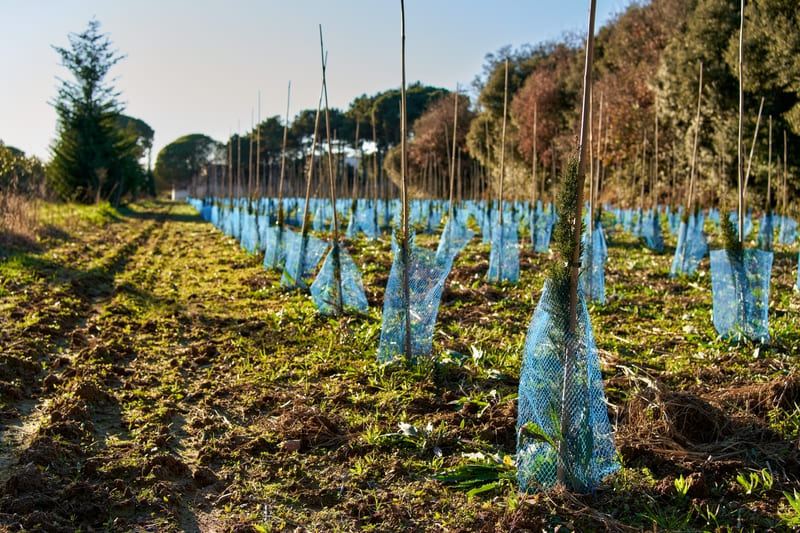
The compliance carbon credit market

In this market, companies (in Europe, primarily from the energy, industrial, or aviation sectors) operate under a regulatory framework where they are legally required to meet emissions caps. Companies that exceed these limits must purchase carbon credits to offset their excess emissions.

Governments or regulatory bodies set emission limits for certain industries or sectors, and companies must acquire enough carbon credits to neutralize their emissions.


Note: 
These markets primarily exist under systems like the European Union Emissions Trading Scheme (EU ETS) or other country-specific regulations.

The voluntary carbon credit market

The voluntary market is for all companies that want to offset their emissions without being legally required to do so. These companies purchase credits to strengthen their environmental commitment, enhance their reputation, and meet growing consumer expectations for sustainability.

Credits purchased on the voluntary market often come from projects certified by recognized standards such as the Verified Carbon Standard (VCS), Gold Standard, or Climate Action Reserve (CAR).

Advantages and impacts of carbon credits for businesses

Integrating carbon credits into a company’s climate strategy offers several benefits:

Contribution to the reduction of greenhouse gas emissions

Carbon credits allow businesses to offset emissions they cannot immediately reduce. By financing global GHG reduction projects, they actively contribute to decarbonization efforts on a global scale.

Access to new markets and business opportunities

Adopting carbon credits can open doors to new markets where the demand for sustainable products and services is growing. Additionally, it can meet the increasing sustainability requirements within supply chains.

Challenges and considerations related to carbon credits

Despite their advantages, carbon credits face some criticisms and require businesses to exercise due diligence.

Criticisms and controversies (greenwashing, environmental integrity)

One of the main challenges associated with carbon credits is the risk of greenwashing. Some companies may purchase carbon credits without committing to real emission reductions, using them as a mere marketing tool. Therefore, it is essential to ensure that the credits purchased come from certified projects that genuinely impact GHG reduction.

Importance of choosing certified and high-quality carbon credits

Not all carbon offset initiatives are equal. It is crucial to choose carbon credits from projects certified by recognized organizations that ensure emission reductions are verifiable, measurable, and permanent.

For companies implementing a CSR (Corporate Social Responsibility) policy, it is also wise to opt for carbon credits that offer co-benefits aligned with the United Nations Sustainable Development Goals.


The carbon credit mechanism is internationally recognized as a responsible approach that balances unavoidable carbon emissions. It is a powerful tool for businesses looking to reduce their carbon footprint while continuing to grow economically.

By understanding how they work and integrating them into a climate strategy, businesses can not only contribute to the fight against climate change and facilitate the transition to a low-carbon economy, but also improve their image and access new markets.

Nvalue positions itself as a key partner to help you understand and acquire certified carbon credits, ensuring that you integrate this solution into your sustainability efforts. Now is the time to turn your climate ambitions into concrete actions: for any information request or to get a quote, contact us today.

Nvalue is here to help you start and succeed in your climate journey by focusing on renewable energy. Together, let’s build a future where clean energy is at the heart of your strategy.

For any information request or to get a quote, contact us today.

Contact us


Lire la suite